The Hidden Cost of Office Noise
Many people wonder if a quiet office really helps you work faster. Research shows that it does. Noise is a major cause of distraction. It takes a long time to get back into a deep state of work after a loud sound breaks your focus. This leads to lost time and more mistakes. Poor acoustics can also hurt your health. Long exposure to noise increases heart rates and stress levels. This is why businesses must take sound design seriously.
- Noise distractions can lead to a sixty-six percent drop in worker productivity. This fact comes from research shared by the World Green Building Council. It shows that sound is vital.
- Studies from Cornell University show that even low levels of noise increase stress. This happens because the body stays in a state of high alert. It makes employees feel very burnt out.
- Sound privacy is also a legal and ethical need in many jobs. People need to know their private talks stay private. This is especially true for HR or legal departments in the office.
Why Professional Sound Design is Essential
Creating a quiet space requires more than just luck. It needs a plan that covers every part of the room. This is where commercial office interiors designing becomes very useful. Experts look at how sound moves through the air. They also check how it bounces off hard surfaces like glass and concrete. Without a plan, a beautiful office can become a noisy echo chamber.
- Acoustic zoning is a smart way to manage noise levels. You can create quiet zones for focus and loud zones for meetings. This keeps different types of work from clashing with each other.
- The best office interior designers in Gurgaon use special tools to measure sound. They check the reverberation time in every room. This helps them choose the right materials to fix the specific sound issues.
- Many companies trust Colonelz to handle these complex acoustic needs. They know how to balance style with a quiet environment. Their experts make sure every corner of the office feels peaceful and professional.
How Materials Change the Way a Room Sounds
You might ask how materials change the way a room sounds. Hard materials like stone or metal reflect sound waves. This creates an echo that makes it hard to hear clearly. Soft materials do the opposite. They absorb the energy of the sound. This makes the room feel much softer and quieter. Choosing the right mix of materials is the secret to a great workplace. This is a key part of interior design commercial office space planning.
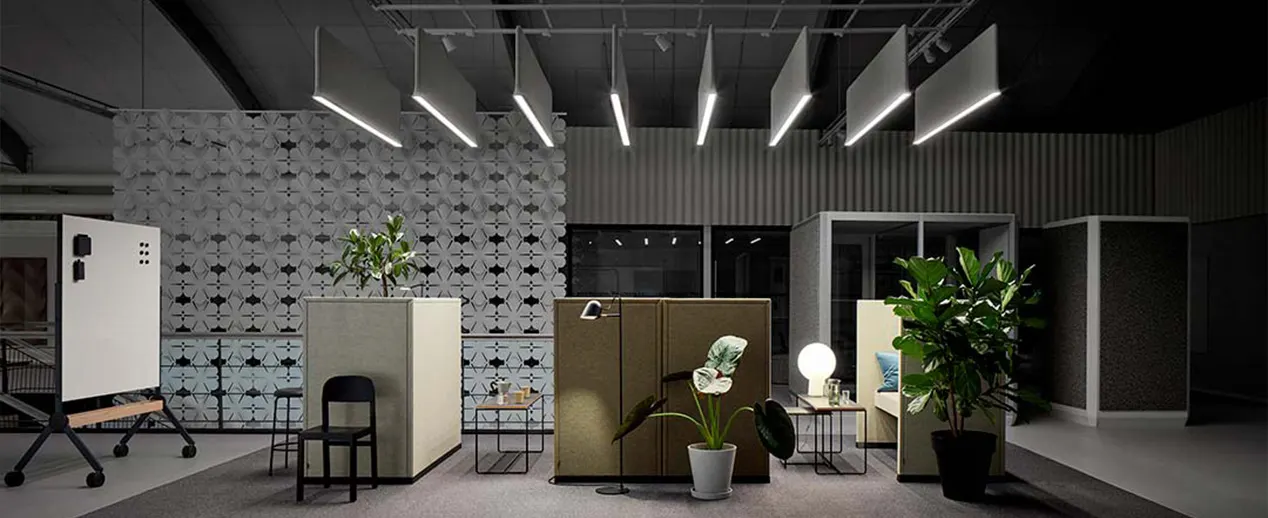
- Acoustic wall panels are great for stopping echoes in small rooms. These panels come in many colors and shapes. They look like art but they are actually working to keep the room quiet.
- Hanging ceiling clouds can catch sound before it moves across the floor. These are very helpful in offices that have very high or exposed ceilings. They add a modern look to the space.
- Carpeting and rugs are simple but very effective tools. They stop the sound of footsteps and chairs moving. This reduces the constant hum of background noise that can be very distracting for workers.
Smart Strategies for Better Sound
Good sound design is more than just adding panels. It is about smart design commercial interiors that think about the user. You can use furniture to block sound. You can also use technology to mask it. Sound masking machines add a soft background noise. This noise sounds like rushing air. It makes it harder to hear distant conversations. This helps people focus on their own tasks. Integrating these tools into commercial office interior design creates a better experience.
- High backed sofas can act as natural sound barriers. These pieces of furniture create a "room within a room" feel. They are perfect for quick chats that should not disturb the whole team.
- Green walls and plants are also helpful for managing sound. The leaves and soil can scatter and absorb noise. Plus, plants make the office look fresh and increase the oxygen levels for everyone.
- The team at Colonelz often suggests using double glazed glass for meeting rooms. This keeps the sound of the meeting inside the room. It also stops outside office noise from coming in during talks.
The Future of Quiet Workspaces
As we look ahead, sound will remain a top priority. A quiet office helps people feel respected and valued. It allows for deep thinking and creative ideas. Investing in commercial office interior design is an investment in the people who use the space. A quiet office is a productive office. This is why more companies are turning to experts like Colonelz for help. They understand that every sound matters in a professional setting.
- The World Health Organization notes that noise pollution is a major environmental risk. Reducing noise in the office is a way to protect the long term health of your employees.
- Julian Treasure, a famous sound expert, once said, "We are sandwiching our people into environments that are acoustic slums." This reminds us that we must design for the ears as well as the eyes.
- Harvard T.H. Chan School of Public Health research links better office air and sound to higher brain function. People think more clearly when they are in a well designed and quiet environment.
References
- Cornell University Ergonomics Web: Noise and Psychology (ergo.human.cornell.edu)
- World Green Building Council: Health and Productivity Report (worldgbc.org)
- Harvard T.H. Chan School of Public Health: The CogFx Study (harvard.edu)
- World Health Organization: Noise and Health Guidelines (who.int)
FAQs
Why is sound design important in open offices?
Open offices have many hard surfaces. Sound bounces off these walls and floors easily. This creates a lot of noise. It makes it hard for people to focus on work. Good sound design stops the noise from spreading. It helps employees stay calm. It also makes the office much more productive.
What are the best materials to absorb office noise?
Soft materials work the best for absorbing noise. You can use fabric wall panels or thick carpets. Acoustic ceiling tiles are also very helpful. These materials soak up sound waves instead of reflecting them. This stops echoes in the room. It creates a much quieter and better space for everyone to work.
How do plants improve the acoustics of a workspace?
Plants are a natural way to manage sound. Their leaves and stems break up sound waves. This is called sound scattering. Thick green walls can also block noise between different areas. Plants also make the air cleaner. They add a nice look to the office while making it a quieter place.
What is the difference between soundproofing and sound absorption?
Soundproofing stops noise from entering or leaving a room. It uses heavy materials to block the sound. Sound absorption reduces echoes inside a room. It uses soft materials like foam or fabric. Both are important for a good office. They help create a space where conversations stay private and noise stays low.
Can poor office acoustics affect the health of workers?
Yes, loud noise can cause a lot of stress. It makes the heart beat faster. It can also lead to headaches and feeling very tired. People find it hard to relax in a noisy office. Good acoustics protect the health of your team. It makes the workplace a much safer environment for everyone.
 Residential Turnkey
 Residential Design Consultation
 Residential Construction
 Commercial Turnkey
 Commercial Construction
 Workspaces & Offices
 Architectural Turnkey
 Architectural Consultation
 Retail & Hospitality