06 Aug, 2026

What a Restaurant Layout Actually Costs You: Seat Density, Kitchen Ratios and Cover Turns in Gurugram F&B

You sign a lease. You then pay for every square foot, every month, for years. But not every square foot earns its keep. The floor plan quietly decides your margin long before the first order leaves the pass. Most owners learn this the hard way, about eight months in.

Blog

Your Floor Plan Is a Cost Sheet

  • Rent is fixed. Covers are not. A plan built for the wrong party sizes burns rent on chairs that stay empty every single service.
  • The dining room earns money. The kitchen, stores, staff area and washrooms spend it. That split sets the hard ceiling on your revenue.
  • Fixing a bad plan after opening means shut days, fresh civil work and lost trade. Colonelz sees this most often in second-hand F&B shells.

Seat Density: More Chairs Is Not More Money

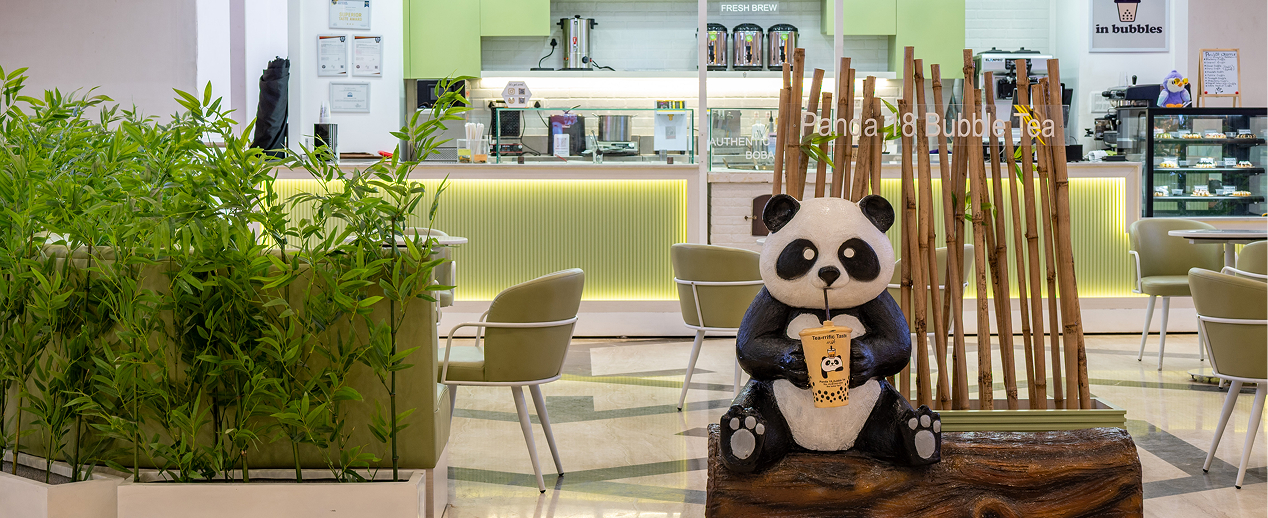
So how many seats should your space actually hold? Party size decides that, not square footage.

  • Cornell researchers studied a 230-seat restaurant where 53 of its 56 tables were four-tops. Peak seat occupancy there rarely crossed 50 percent.
  • More than half its guests walked in as ones and twos. Every couple seated at a four-top locked away two paid seats for the whole meal.
  • Rebuilding the table mix inside the same 230 seats lifted peak occupancy from 50 to 59 percent and revenue by 5.1 percent.
  • Cornell research also found combinable tables help smaller rooms with small average party sizes. Bigger rooms usually earn more from dedicated, fixed tables.
  • The interior design consultants Gurgaon owners trust will ask for your party size data before drawing a single table onto the plan.

Kitchen Ratios: The Part Owners Cut First

When the budget tightens, the kitchen shrinks. It is also the fastest way to cap covers on a busy Saturday night.

  • FSSAI guidance asks for one-directional food flow: receiving, then storage, prep, cooking, then service. Staff doubling back means slow tickets and contamination risk.
  • Your menu sets kitchen size, not seat count. A tandoor and wok line needs far more exhaust, clearance, and cold storage than a coffee counter.
  • In that Cornell case, the extra covers forced three new kitchen positions at peak. More seats always pull more people and more space behind the pass.
  • Colonelz plans the kitchen and the dining room as one drawing, because a pass that cannot keep pace makes extra seats worthless.

Cover Turns: The Number That Pays Your Rent

Why do two restaurants of the same size earn very differently? Turns.

"What if you were fully booked and everyone just ordered one cup of tea?" Sherri Kimes, Emeritus Professor of Operations Management, Cornell University

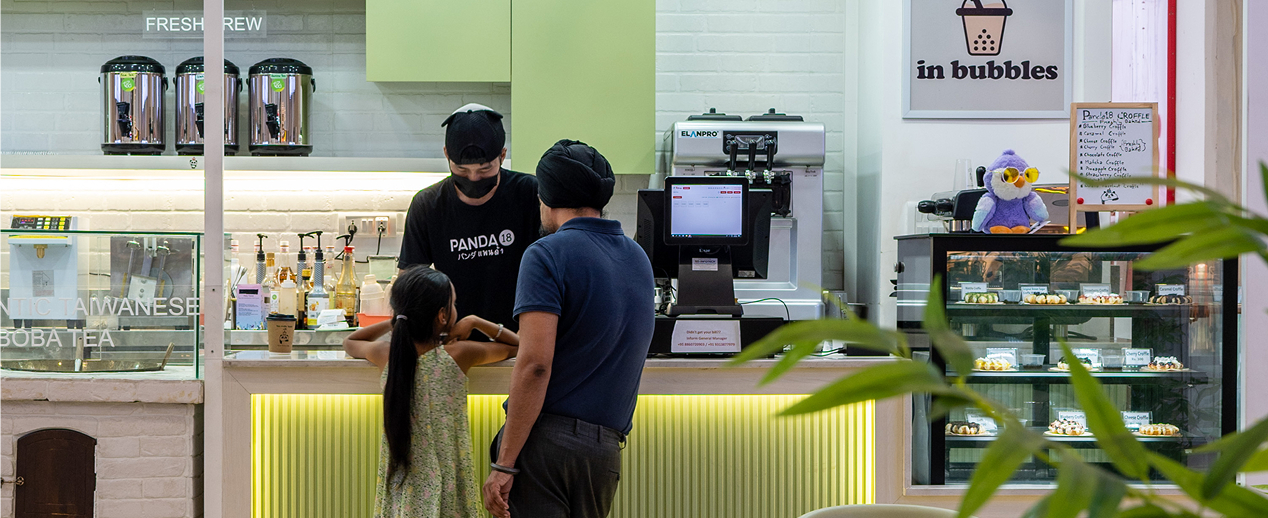
  • A Cornell time study found guests were away from the table for nearly four minutes of a 57-minute service cycle, during seating and bussing.
  • Tighter service stations, shorter bussing routes and a clear back-of-house path cut that dead time. Faster resets add covers without rushing anybody.
  • The same redesign trimmed average dining time from 53 to 51 minutes and, more usefully, made that duration far more predictable.
  • Experienced interior design consultants Gurgaon operators rely on will design the reset path first, because predictable turns let hosts seat walk-ins with confidence.

What This Means for a Gurugram Site

  • NRAI values the Delhi NCR organised food services market at roughly ₹42,000 crore, so several venues are chasing the same office and weekend catchment.
  • Indians now eat out or order in about 7.9 times a month, up from 6.6 five years earlier. Volume rewards layouts built for flow.
  • Terraces and outdoor decks add covers at a lower rent cost per seat. They only work if the service route and kitchen can reach them.
  • Good interior designer consultancy services in Gurgaon hand you a seat count, a kitchen ratio, and a turn target you can put straight into a P&L.
Blog

Ask These Before You Sign

  • Ask how many two-tops the plan holds and whether they combine. Small combinable tables serve couples on weekdays and large groups on weekends.
  • Ask what the layout does in your busiest hour, not your average one. Floor plans fail at peak, never at 4 pm on a Tuesday.
  • Ask to see the plan costed per seat, not just per square foot. That single view exposes dead corners nobody would otherwise question.

Layout is the cheapest lever you will ever pull, and the most expensive one to ignore. Colonelz runs these numbers at the drawing stage for retail and hospitality clients across Gurugram.

References

  1. Kimes, S. E. and Thompson, G. M., Restaurant Revenue Management at Chevys: Determining the Best Table Mix, Cornell University eCommons: https://ecommons.cornell.edu
  2. Food Safety and Standards Authority of India, Guidance Document on Food Safety Management System for the Catering Sector: https://www.fssai.gov.in
  3. National Restaurant Association of India, India Food Services Report 2024: https://nrai.org

Frequently Asked Questions

It depends on format. A quick-service counter needs less room per guest than a fine-dining table with a full cover setting. Fix your service style and menu first, then work backwards to a seat count.
There is no single number. Menu complexity, storage needs and delivery volume all move it. A tandoor-led Indian kitchen needs noticeably more back-of-house than a café serving cold plates and coffee.
No. Extra seats only pay if the kitchen can produce for them and the aisles let staff move. Beyond that point, service slows, tickets stretch, and guests spend less per visit.
Cut the time nobody is eating. Faster table resets, closer service stations and a shorter payment cycle all shorten the seat cycle while leaving the meal itself untouched.
Before you sign the lease, the interior design consultants Gurgaon restaurateurs shortlist should test the shell first, checking whether it can hold your target covers and kitchen at all. That one check has saved owners from very expensive leases.