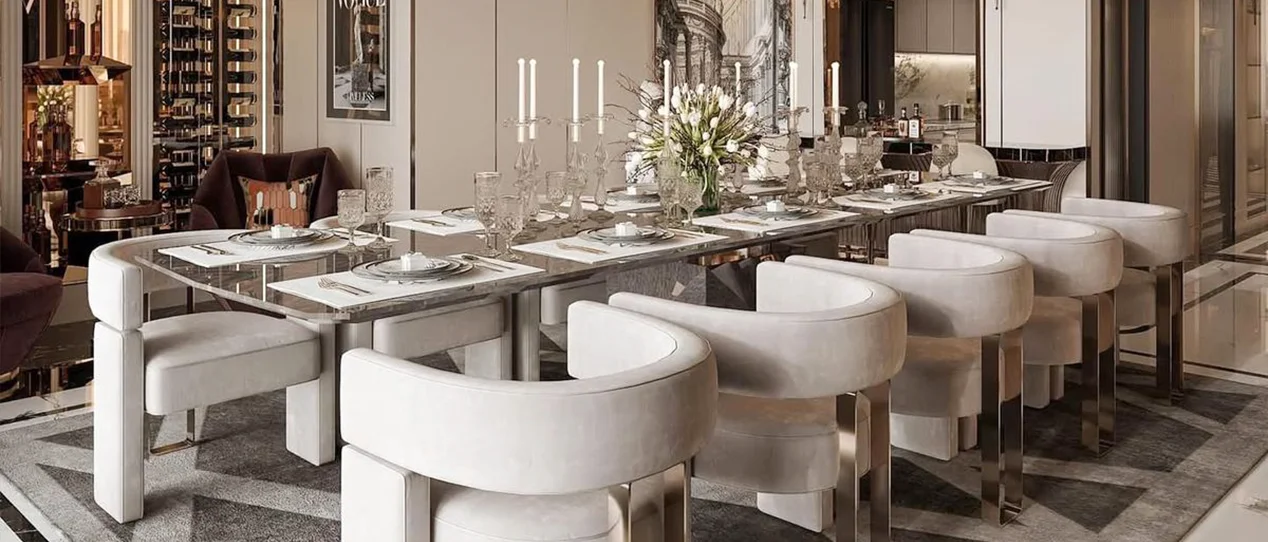
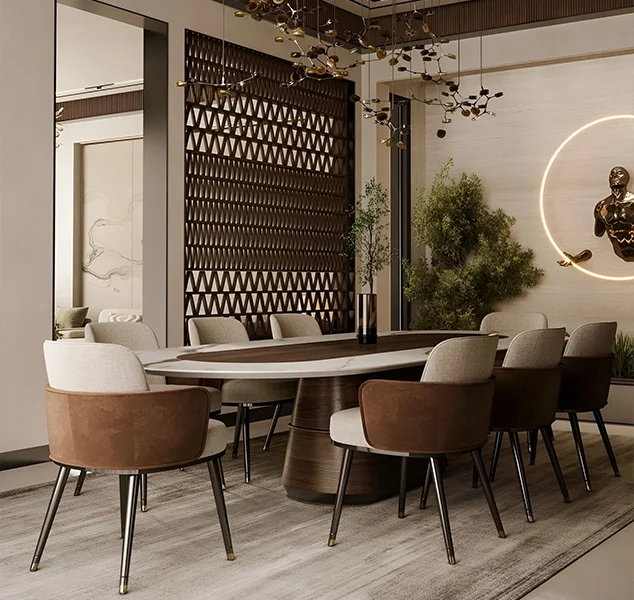
At Colonelz, we believe restaurant interiors should create a strong first impression while supporting the practical demands of everyday service. Our approach combines spatial planning, lighting, materials, furniture, and brand identity to create interiors that feel distinctive, comfortable, and purposeful. As a Restaurant Interior designer in Delhi, we consider your concept, audience, and the way your space needs to function.
From the overall layout to the finer details, every element is thoughtfully considered. Whether you are developing a new restaurant or refreshing an existing space, we create interiors that bring together atmosphere, functionality, and visual character while staying aligned with your business vision.
With our restaurant interior design service, you can expect:
Our process turns your restaurant vision into a functional, well-designed space.
As a Restaurant Interior designer in Delhi, Colonelz creates spaces that balance brand identity, guest comfort, and operational efficiency. Each project is tailored to its location and business needs.
At Colonelz, we create restaurant interiors that reflect your concept, cuisine, audience, and business goals. Every space is thoughtfully planned to balance visual appeal with functionality and efficient service.
Our approach combines creative detailing with practical planning. From layouts and materials to lighting, furniture, and guest flow, our cafe interior designers create inviting spaces that support everyday operations. For businesses seeking the Best cafe interior designers, we focus on brand identity, guest comfort, and seamless service.
Whether you are launching a new restaurant or renovating an existing space, Colonelz delivers tailored interiors that align with your vision. We also undertake restaurant interior design projects in Delhi, adapting each design to the location, audience, and operational needs.
A restaurant interior designer plans the layout, seating, lighting, furniture, materials, and ambience to reflect the brand and improve the dining experience. The design also considers guest movement, service efficiency, durability, and everyday operational needs.
Look for a designer who understands your restaurant concept, target audience, operational requirements, and budget. Review their portfolio, space-planning approach, material selections, and project coordination process to assess whether their expertise aligns with your vision.
Yes. Café and restaurant interiors can be tailored to the brand identity, menu, customer profile, available space, and service requirements. Seating, lighting, furniture, and finishes are planned to balance visual appeal with functionality.
Costs depend on the size of the space, design complexity, materials, furniture, lighting, custom fixtures, and execution requirements. Kitchen and service-area specifications may also influence the budget. Defining the project scope helps establish a suitable cost estimate.
The timeline depends on the project's size, site condition, design complexity, approval process, material availability, and execution requirements. A project-specific schedule can be established after the scope and key requirements are defined.
Effective space planning helps organise seating, walkways, service stations, and other functional areas. It supports comfortable guest movement, smoother staff operations, and better use of the available floor area without compromising the overall dining experience.
Interior design can communicate a restaurant's identity through its colour palette, materials, furniture, lighting, signage, and decorative details. These elements should complement the cuisine, target audience, and service style to create a consistent experience.
Suitable materials depend on the location and level of use. Durable flooring, easy-to-maintain surfaces, appropriate upholstery, and finishes suited to high-traffic areas can help maintain appearance and usability. Material choices should also support the desired design aesthetic.
Yes. A redesign may focus on selected elements such as lighting, furniture, wall finishes, seating arrangements, or decorative features. The extent of changes depends on the existing layout, operational needs, and the improvements required.
Discuss your restaurant concept, target audience, menu, available space, budget, preferred design style, operational requirements, and expected timeline. Sharing these details helps the design team understand your priorities and develop an approach suited to your business.
Restaurant Interior Designer in Delhi
Contact Us