The fix is not to spend less. It is to design with your family in mind. A thoughtful luxury residential interior designer plans for daily life first and luxury second. This guide shows you how to do that, one choice at a time.
Why Luxury Villas Often End Up Looking Like Hotels
Hotels are built for strangers who stay a night or two. When a luxury residential interior designer copies hotel rules for a family home, the villa starts to feel formal and cold. Here is where it usually goes wrong.
- Hotels repeat the same look in every room so any guest feels at ease. A home should change mood as you move from the living room to the bedroom.
- Hotel spaces are designed to impress in the first five seconds. Family homes need to feel right after five years, which calls for comfort over constant visual drama.
- Glossy surfaces look grand in photos. But high-gloss marble, mirror and lacquer show every fingerprint and bounce harsh light, which makes rooms feel cold to live in.
- Hotels hide storage because guests carry little. Families own school bags, cricket kits, pooja items and winter quilts. Without planned storage, clutter slowly takes over the best rooms.
Spotting these traps early saves you from costly changes after you move in.
How to Make a Luxury Villa Feel Like Home
Personal luxury comes from small, smart decisions. The sections below cover the choices that matter most in a Gurugram villa.
Start With How Your Family Lives
- Write down a normal weekday before you pick a single tile. Who wakes first, where do people eat, and where do guests sit? The layout should follow these answers.
- Colonelz begins every project with a detailed briefing before any design or costing. This step captures routines, rituals and future needs, like a ground-floor room for ageing parents.
- Keep one or two rooms purely informal. A family lounge with a washable sofa and a big table often gets used more than the formal drawing room.
Choose Materials That Age Well
- Pick materials with texture, such as honed stone, solid wood, lime plaster and handloom fabric. They hide daily wear and look better as the years pass.
- Mix one or two statement pieces with quieter ones. The most liveable luxury residential interiors in Gurgaon let one bold wall or chandelier lead, not ten.
- Add pieces with a story, like your grandmother's brass urli or art from your travels. A hotel cannot buy these. They make a room feel truly yours.
- British designer William Morris gave a simple rule in an 1880 lecture to the Birmingham Society of Arts and School of Design: "Have nothing in your houses that you do not know to be useful, or believe to be beautiful."
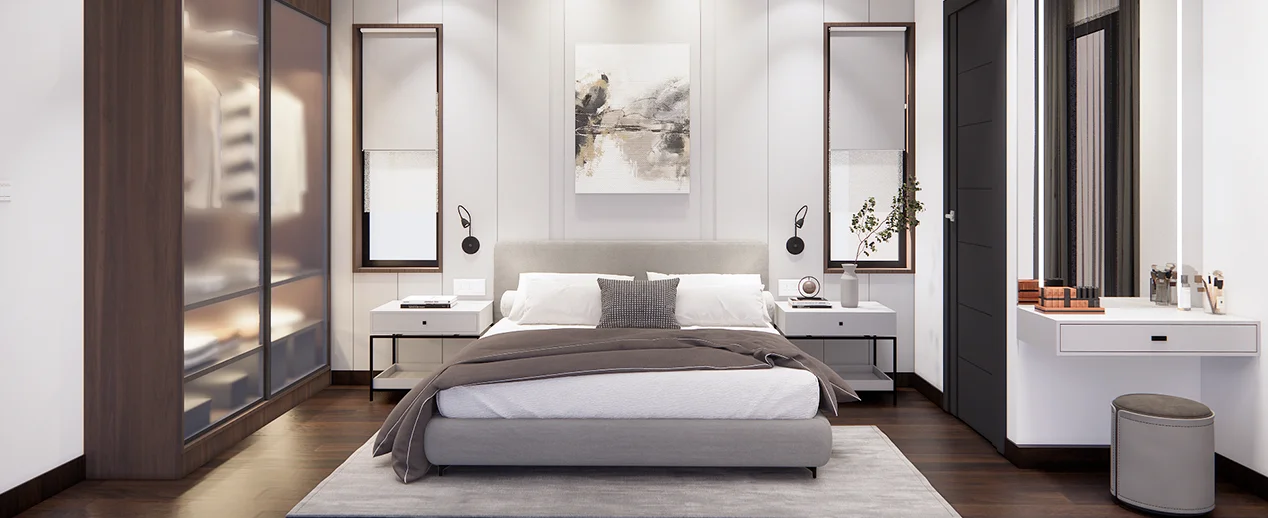
Light It Like a Home, Not a Lobby
- Use warm light where you relax. The U.S. Department of Energy says 2700K to 3000K counts as warm, and warm light is preferred in living spaces because it flatters skin tones.
- Layer your lighting. Mix ceiling lights with floor lamps, wall lights and cove strips. Put them on dimmers so one room can shift from bright mornings to calm nights.
Plan for Quiet From Day One
- Big villas with stone floors and high ceilings can echo a lot. Rugs, fabric panels, padded headboards and heavy curtains soften sound and make large rooms feel warm.
- Protect sleep. WHO guidelines recommend keeping bedroom noise below 30 dB(A) at night for good-quality sleep. Double-glazed windows help near busy Gurugram roads
Let Gurugram's Climate Guide the Design
- Gurugram summers are long and harsh. Shaded verandas, deep window frames and light-coloured stone keep rooms cooler and make outdoor spaces usable for more months each year.
- Indoor air matters too. The US EPA reports Americans spend about 90% of their time indoors, where some pollutants run two to five times higher than outside.
- Plan for air purifiers, fresh-air vents, and plants during design, not after. Hidden sockets and ducts keep the clean look while helping you breathe easier in winter smog.
Each of these choices adds comfort that guests notice and families feel every day.
What to Ask Before You Hire a Designer
The right partner matters as much as the right marble. Use these questions to judge anyone you shortlist.
- Ask to see finished homes, not just renders. Even the best home interior designers in Gurgaon should show real projects and how the spaces held up over time.
- Check if design and build sit with one team. Colonelz handles both, so the team that draws the plan also answers for how it is built on site.
- Ask for a clear scope. Good residential interior designing services spell out design, costing, timelines, and site handover in writing, so you know what you pay for.
- Notice who asks questions. A designer who wants to know about your routines, pets, and parents will design a home. One who only talks trends will design a showroom.
A short, honest conversation now prevents a long list of regrets later.
Build a Villa That Feels Like Yours
A luxury villa should feel calm on a Tuesday evening, not just grand at a housewarming. Plan around your family. Choose honest materials. Light it warmly and keep it quiet. Most of all, work with a luxury residential interior designer who listens more than they pitch. If you are planning a villa in Gurugram, talk to Colonelz's team of interior designers and start with a briefing that puts your family's real life at the centre.
References
- University of Iowa, study notes on William Morris, "The Beauty of Life" (1880): https://victorianfboos.studio.uiowa.edu/node/876
- U.S. Department of Energy, Energy Saver, "Lighting Principles and Terms": https://www.energy.gov/energysaver/lighting-principles-and-terms
- World Health Organization, Regional Office for Europe, "Noise" fact sheet: https://www.who.int/europe/news-room/fact-sheets/item/noise
- U.S. Environmental Protection Agency, Report on the Environment, "Indoor Air Quality": https://19january2025snapshot.epa.gov/report-environment/indoor-air-quality
 Residential Turnkey
 Residential Design Consultation
 Residential Construction
 Commercial Turnkey
 Commercial Construction
 Workspaces & Offices
 Architectural Turnkey
 Architectural Consultation
 Retail & Hospitality