What Is Japandi Maximalism?
This is probably the first question that pops into your head. Isn't Japandi supposed to be minimal? Yes — and that's what makes this evolution so exciting.
The Origin of Japandi
Japandi style is a harmonious blend of Japanese and Scandinavian design principles, creating a unique aesthetic that celebrates simplicity, functionality, and natural beauty. At its core, it blends the Japanese concept of wabi-sabi — appreciating imperfection and the beauty of natural aging — with the Scandinavian idea of hygge, which emphasises warmth, cosiness, and comfort.
The roots of Japandi design trace back about 150 years, when Scandinavian travellers first explored Japan as the country opened its borders to the world. Both cultures valued simplicity, craftsmanship, and a deep respect for natural materials.
How Maximalism Enters the Picture
Maximalism, on the other hand, is about bold self-expression. Maximalism celebrates individuality, promoting the mixing of patterns, vibrant colours, and unique objects. It defies conventions and brings energy to spaces.
So what happens when you combine the two?
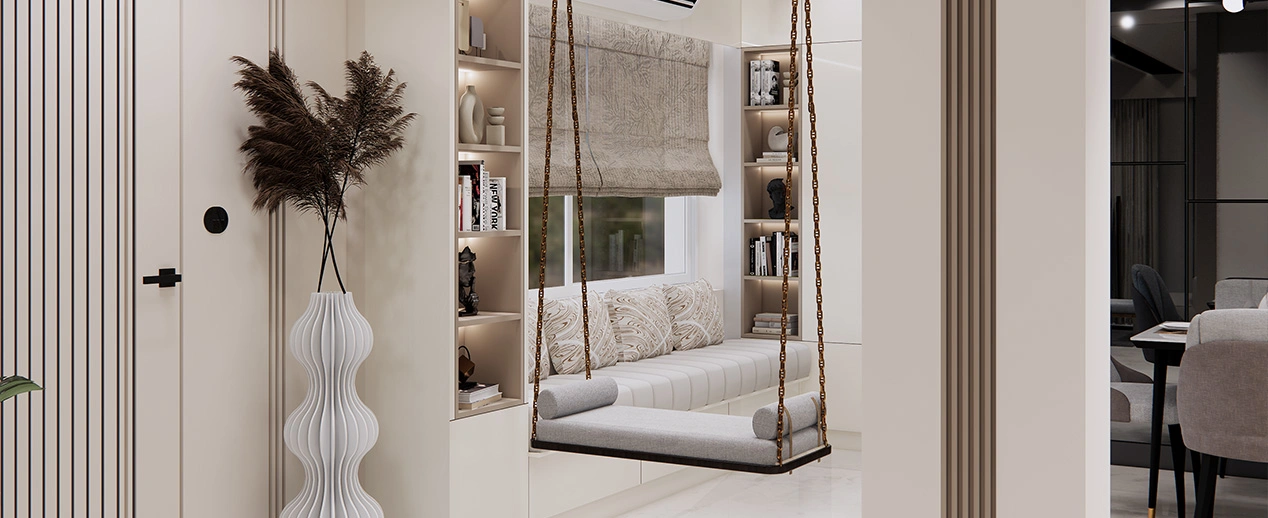
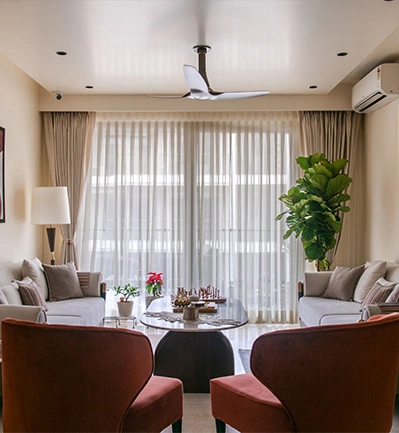
Japandi Maximalism blends the serenity of Japanese minimalism with the warmth and layering of Scandinavian maximalism. Expect neutral palettes with large sculptural vases, woven textures, oversized ceramics, layered textiles, and natural light as a core design tool. The look feels restful but visually rich.
It is not "more of everything." It is "more of the right things."
Why Is India Embracing This Trend Now?
India's design scene is at a fascinating crossroads. The country's affluent homeowners are more globally aware than ever. They travel. They read. They follow international design studios on social media. But they also have deep cultural roots. They want their homes to feel both global and personal.
The Indian luxury interior design market size reached USD 1.6 billion in 2024 and is expected to reach USD 2.9 billion by 2033, exhibiting a growth rate (CAGR) of 6.30% during 2025–2033. (Source: IMARC Group) This growth is fuelled by increasing disposable incomes, rapid urbanisation, and a growing class of high-net-worth individuals who want bespoke living environments.
High-net-worth individuals are no longer content with stock solutions. They want customised environments that echo their personalities, cultural affinity, and taste in aesthetics.
Japandi Maximalism speaks directly to that desire.
The Core Elements of a Japandi Maximalist Living Room
1. Layered Textures — Not Clutter
This is the heart of the style. The difference between clutter and richness is intention.
- Natural materials take the lead. Wood, rattan, linen, stone, and bamboo are the bases. Each material adds warmth without competing for attention.
- Textiles do the heavy lifting. Chunky knit throws, handwoven cushions, and silk accent pieces sit together in harmony. Each layer adds depth and tactile richness to the room.
- Rugs anchor the space. A hand-knotted rug in a muted earthy tone brings all the layers together. It grounds the room and gives the eye a place to rest.
Interiors in 2025 explore contrasts and layers, combining materials and textures to create visually rich and tactile spaces. Inspired by maximalism, the layering of textures reflects the complexity and richness of human experiences.
2. A Warm, Earthy Colour Palette
Forget loud primary colours. Japandi Maximalism works within a refined range.
- Soft neutrals form the backdrop. Think warm beige, clay, taupe, and muted sage green. These shades create a calm base for bolder elements.
- Broad accents add drama. Terracotta, charcoal, indigo, and warm mustard appear in cushions, artwork, or a statement chair. They add personality without overpowering.
- Nature is the colour guide. Every shade in the room should feel like it belongs outdoors. This keeps the palette cohesive and grounded.
Neutral earthy palette options include clay reds, warm beiges, muted greys, and soft whites — colours that soothe rather than shout.
3. Statement Furniture with Purpose
Every piece of furniture must earn its place.
- Low-profile sofas in natural fabrics invite you to sit down and stay. Avoid shiny, synthetic materials. Linen, cotton, and bouclé are ideal choices for the Japandi Maximalist aesthetic.
- Sculptural coffee tables in reclaimed wood or stone add artisan character. Look for organic shapes and handcrafted finishes rather than factory-perfect edges.
- Open shelving with curated display. This is where the maximalism shines. A mix of ceramics, books, dried botanicals, and handcrafted objects tells a personal story. The key is curation — every item is chosen with intention.
4. Biophilic Design and Natural Light
The integration of nature in Japandi homes is no longer limited to adding a few houseplants or using natural materials. Instead, the design philosophy now encourages a seamless fusion between the indoors and outdoors. Larger potted trees, such as Ficus Audrey or olive trees, are becoming statement features in living spaces.
- Large windows are non-negotiable. Natural light is a design tool here, not just a utility.
- Indoor plants — from tall fiddle-leaf figs to low-maintenance snake plants — bring organic movement to the room.
- Stone or clay planters add to the textural story of the space.
5. Artisan and Handcrafted Accents
Authenticity will take centre stage, with handmade pieces and artisanal decorations that value personalisation becoming essential elements in interior design. These pieces add a touch of exclusivity and authenticity to spaces.
This is where Indian homes have a tremendous natural advantage. India's rich tradition of handicrafts — from Rajasthani block prints to Kashmiri hand-knotted rugs to Channapatna wooden toys — fits perfectly into the Japandi Maximalist framework. You do not need to import anything. The artisan story is already here.
The Japandi Secret Most Homeowners Miss
Here is something most people miss about Japandi design history. The underlying philosophies of Hygge and Wabi-Sabi are timeless. Japandi embraces an evergreen design through its incorporation of objects and spaces that age gracefully. This means a well-designed Japandi Maximalist living room actually becomes more beautiful over time — not less. The patina on a brass lamp, the fading of a handwoven rug, the wear on a wooden coffee table — all of these add to the room's story.
That is a very different idea from fast-trend decorating, where a room looks best on the day it is photographed.
What Does This Mean for Living Rooms in Gurgaon and Delhi NCR?
Gurgaon's luxury housing market is booming. Delhi saw a 6.7% year-on-year rise in luxury residential prices in 2024, improving its global ranking in Knight Frank's Prime International Residential Index from 37th to 18th.
Homeowners in this region are building some of the most ambitious residences in the country. And the living room — the social heart of any home — is where design ambitions are highest.
The luxury interior designers in Gurgaon who are leading this conversation understand that today's clients do not want cookie-cutter spaces. They want rooms that reflect their taste, their travels, and their values. Japandi Maximalism gives designers a rich vocabulary to work with — one that is globally relevant and deeply personal at the same time.
As designers and stylists, Sunanda Pandey and Rashmi Singh aptly put it: "We're seeing AI-generated patterns translated into cushions, rugs and wallpapers, parametric lighting and wall sculptures, and uniquely shaped furniture that feels both organic and futuristic. It's where technology meets artisan sensibility."
This is precisely the spirit of Japandi Maximalism — where opposing forces meet and create something richer than either could achieve alone.
How to Approach a Japandi Maximalist Living Room: A Practical Guide
So, how do you actually build this look? Here is a step-by-step approach that works well in Indian homes.
- Start with the wall colour. Choose a warm neutral — a creamy white, warm greige, or soft clay tone. This is your canvas.
- Invest in one anchor piece. This could be a large, handcrafted sofa in a natural fabric. Everything else is built around it.
- Layer your textiles. Add a hand-knotted rug, linen curtains, and at least three different pillow textures. The variation in material creates visual warmth without needing loud colours.
- Curate your shelving. Display items that mean something to you. Mix ceramics with books, small plants, and one or two art objects. Odd numbers work better visually than even groupings.
- Bring in one statement lighting piece. A sculptural pendant in rattan or a muted brass floor lamp adds architectural interest and warm ambient light. Avoid harsh white lighting.
- Add green. Even one or two well-placed plants will complete the organic quality that defines this aesthetic.
The Role of Expert Guidance
Can you do this yourself? Partly, yes. But to get the proportions right — to ensure the layering feels rich and not chaotic — you need trained eyes.
This is where professional interior designers services in Gurgaon make a real difference. The line between a layered, intentional Japandi Maximalist room and a room that just feels busy is thin. It comes down to scale, proportion, and the ability to edit ruthlessly even while adding richness.
The best luxury interior designers in Gurgaon work through a detailed discovery process. They understand how you live, what colours calm you, what materials you are drawn to, and what stories you want your home to tell. Then they build a design that is deeply personal and visually coherent.
Colonelz, one of the most trusted names among luxury interior designers in Gurgaon, approaches this process with military precision and creative empathy. Their design team does not impose a house style on clients. Instead, they listen deeply, set design direction through mood boards and material samples, and then build room by room — ensuring every corner serves both beauty and function.
Their interior designing consultancy services are especially valuable at the planning stage. Before a single piece of furniture is ordered, a Colonelz consultation can save you from costly mistakes and align your vision with a design direction that will stand the test of time.
Is Japandi Maximalism Right for Your Home?
Ask yourself three questions:
- Do you want your living room to feel calm, but not cold?
- Do you value quality over quantity, but still want a room that feels layered and personal?
- Are you drawn to natural materials, handcrafted objects, and spaces that tell a story?
If you answered yes to all three, Japandi Maximalism is worth exploring seriously. And if you want it done right — with the right proportions, the right materials, and a vision that is uniquely yours — reaching out to the luxury interior designers in Gurgaon at Colonelz is a great first step.
The interior designers services in Gurgaon offered by Colonelz cover everything from the initial concept to the final styling. You do not have to figure it out alone.
References
- IMARC Group. India Luxury Interior Design Market Report, 2024. imarcgroup.com
- Credence Research. India Luxury Interior Design Market, 2024. credenceresearch.com
- Livspace Magazine. Interior Design Trends for 2026. livspace.com
- Artera Home. What Is Japandi Style?, 2025. arterahome.com
- ALMA de LUCE. Interior Design Trends for 2025. almadeluce.com
- Homiodecor. Japandi Revival: Minimalism Meets Warmth, 2025. homiodecor.com
FAQs
1. Is Japandi Maximalism suitable for smaller Indian apartments?
Absolutely. The key is to use scale wisely. Choose fewer, larger statement pieces rather than many small ones. A single sculptural sofa, a large rug, and well-curated shelving can create a rich Japandi Maximalist feel even in a compact living room. Mirrors and natural light help too.
2. How is Japandi Maximalism different from Boho or Eclectic design?
Boho and Eclectic design draw from many cultural references and often feel playful and unstructured. Japandi Maximalism has a stricter colour discipline — earthy neutrals with controlled accents — and always prioritises calm over stimulation. Everything is layered, but the overall feeling remains restful.
3. What materials are best for a Japandi Maximalist living room in India's climate?
Natural, breathable materials work best in India's warm climate. Linen, cotton, bamboo, rattan, and teak are ideal. They look great, age beautifully, and stay comfortable through the seasons. Avoid heavy velvets and synthetic materials that trap heat.
4. How long does it typically take to design and execute a Japandi Maximalist living room?
With professional support, a single-room living room redesign typically takes 4–8 weeks for design and execution. This includes the consultation, mood board creation, material sourcing, and supervised installation. Complex or larger spaces may take longer.
5. Can Indian craft traditions be incorporated into Japandi Maximalism?
Yes — and this is one of the most exciting aspects of this style for Indian homeowners. Handwoven fabrics, block-printed textiles, terracotta pottery, brass objects, and hand-knotted rugs all fit perfectly within the Japandi Maximalist aesthetic. They add cultural depth while aligning with the style's love of artisan craft and natural materials.
 Residential Turnkey
 Residential Design Consultation
 Residential Construction
 Commercial Turnkey
 Commercial Construction
 Workspaces & Offices
 Architectural Turnkey
 Architectural Consultation
 Retail & Hospitality