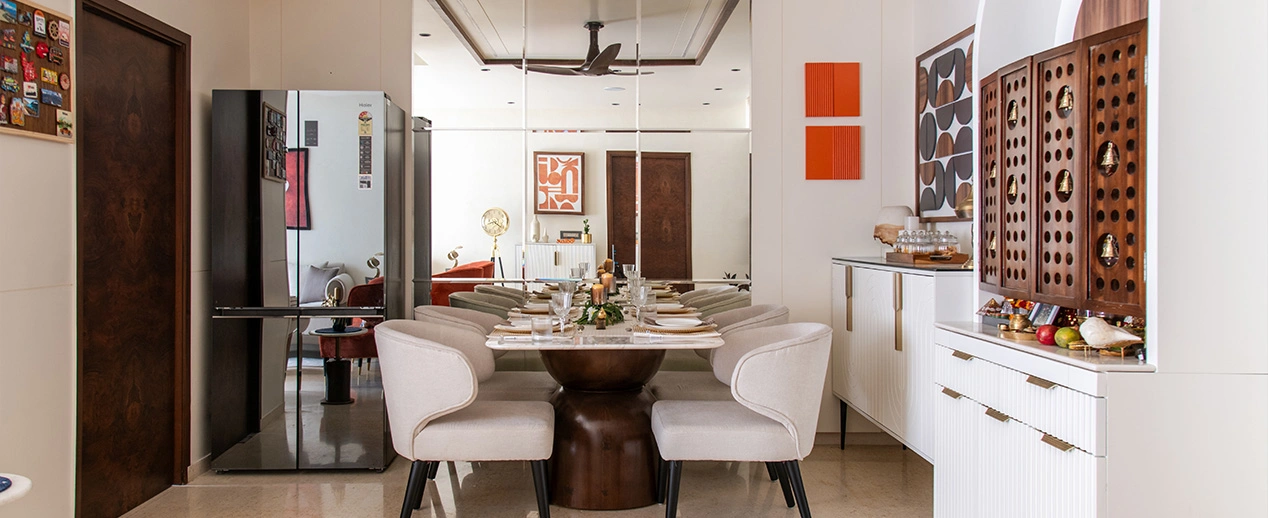
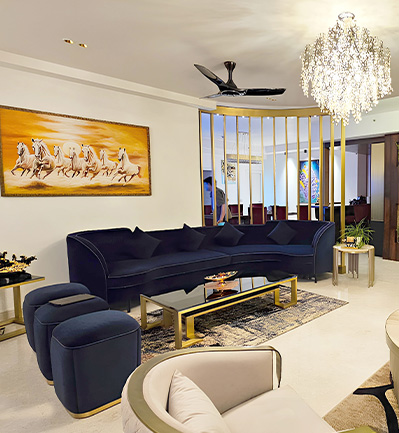
You've got a dream space in your head. Maybe it's a home that feels like a sanctuary. Or an office that makes your team love coming to work. But there's a big gap between that vision and the final result. That gap is where most people make expensive mistakes. So, how do you bridge it well?
The answer, more often than not, starts with a proper conversation with the right professionals.
What Is Architectural Consultation, Really?
Most people think it's just a meeting where someone shows you some sketches. It's not.
Architectural consultation is about comprehensive project definition. It establishes what the client needs, why they want it, and what the metrics of success will be — including realistic expectations and the logical challenges a project will face.
In short, it's the foundation that decides whether your project succeeds or struggles. The consultation phase predicts everything that follows. Get this right, and you experience clear expectations, defined outcomes, and a trusted partnership.
The Stages Inside a Real Architectural Consultation
Have you ever wondered what actually happens after you walk into a design studio? Here's what a thorough process looks like.
Stage 1: Understanding Your Vision
This is where it all starts. A good team listens before it talks.
- Discovery and goal-setting: You share your lifestyle, budget, and spatial needs. The team captures every detail — not just the aesthetic ones.
- Feasibility check: Pre-design includes evaluating whether a property should be purchased, identifying development potential, and establishing the fundamental parameters of a project.
- Regulatory scan: A preliminary zoning analysis is done to confirm setbacks, height limits, and lot coverage. HOA covenants are reviewed, which can often be more restrictive than local codes.
This first stage alone can save you lakhs of rupees. While the consultation process may cost a few thousand dollars, it could save you from losing $100,000 or more on a poorly planned renovation.
Stage 2: Site Analysis
This step is often skipped by amateur teams. A proper firm never skips it.
- On-ground assessment: Site analysis examines topography, drainage, solar orientation, wind patterns, views, privacy considerations, and access requirements.
- Hidden opportunities: A slope that looks like a problem can become a dramatic entry feature. Mature trees can frame a beautiful landscape plan. Only a trained eye spots these.
- Constraint identification: Site analysis is the primary tool for revealing the opportunities and limitations that will influence design decisions.
Stage 3: Schematic Design
Now the vision starts taking shape on paper — or screen.
- Concept translation: The architectural design team begins to translate the client's wishes into a building design concept. This may involve sketches, drawings, 3D renderings, and preliminary site plans, floor plans, and building elevations.
- Two to three layout options: A good team gives you choices at this stage. You don't get locked into one direction too early.
- Zoning and code check: Schematic design is also the research phase when zoning requirements or jurisdictional restrictions are discovered and addressed.
Stage 4: Design Development
This is where decisions get locked in. Think of it as the point of no return for major choices.
- Material and finish selections: This stage involves selecting nearly every aesthetic component, from roofing and windows on the exterior to flooring and fixtures.
- Engineering coordination: During design development, architects refine layouts and collaborate with consultants such as structural, mechanical, and electrical engineers.
- Cost estimate update: A reliable updated budget comes out of this phase. No more guessing.
Stage 5: Construction Documents and Handover
The final phase turns designs into legal, buildable documents.
- Detailed technical drawings: Approved design development drawings are converted to technical documents. Detailed elevations, plans, and specifications serve as legal documents to ensure the final built product reflects the actual design intent.
- Contractor coordination: Your design team helps select the right builders and answers site questions during construction.
A Fact Most Homeowners Don't Know
Here's something worth noting. According to the U.S. Bureau of Labor Statistics, architects discuss with clients the objectives, requirements, and budget of a project. In some cases, they provide pre-design services such as feasibility studies, site selection, and cost analyses. 1 Most people don't realise these services exist — or that skipping them is one of the biggest reasons projects go over budget.
"A profound design process eventually makes the patron, the architect, and every occasional visitor in the building a slightly better human being." — Louis Kahn, renowned American architect
When Do You Actually Need Architectural Consultation?
This is a question many homeowners ask themselves too late. So let's answer it directly.
You need it when:
- You are building a new home from scratch and need a workable blueprint.
- You want to renovate but don't know if your ideas are structurally possible.
- You're unsure about local permissions, setbacks, or building codes.
- Your project involves combining interiors and architecture in one unified vision.
- You are spending a significant amount and want to reduce risk before a single brick is laid.
You may not need a full consultation if:
- You only want to refresh paint colours or swap out furniture.
- Your project is a single-room cosmetic update with no structural changes.
The threshold is pretty clear. The more permanent the change, the more you need expert guidance upfront.
What Happens When You Skip Consultation?
Let's be real about this. Skipping architectural consultation does not save money. It's just delaying the cost.
- Scope creep: Projects without a clear, pre-defined scope routinely expand costs by 20% or more.
- Compliance issues: Building without understanding local regulations can lead to demolition orders.
- Design regret: Walls get placed incorrectly. Rooms feel too small. Lighting is an afterthought. These are expensive to fix after the fact.
- Poor space efficiency: Vertical storage units, foldable furniture, mirror placements to enhance perceived space, and open-concept layouts are techniques that require planning — not improvisation.
How Colonelz Approaches Consultation
Most firms treat consultation as a formality. Colonelz treats it as the most important part of the process.
The architectural consultation process at Colonelz is rooted in collaboration, clarity, and creative value. It starts with in-depth discussions to understand your lifestyle, taste, spatial requirements, and design preferences. Based on your inputs, mood boards, layout suggestions, and material and colour themes are developed to establish a coherent direction.
What makes this approach different is the structure. Within 48 hours of signing the contract, a site visit is conducted to take detailed measurements and document existing conditions, ensuring transparency. That kind of speed and rigour is not common.
As a full-service interior design company in Gurgaon, Colonelz also integrates architectural planning directly with interior design. This means your structure and your interiors are designed to work together from day one — not separately and awkwardly patched together later.
The Intersection of Architecture and Luxury Interiors
Can you have great architecture without great interiors? Technically, yes. But should you? No.
The best projects treat the two as one. Luxury interior designers in Gurgaon tend to design extremely personal spaces — whether that's a walk-in wine cellar, a meditation zone, or a tailor-made corner library — reflecting personal passions and priorities.
But those personalised interiors only truly work when the architecture supports them. Room proportions, ceiling heights, natural light entry, and structural layouts all directly influence what interiors can achieve. A great architectural consultation sets up that structural canvas before the interior artists get to work.
About the Architecture Industry
Employment of architects is projected to grow 4% from 2024 to 2034, with about 7,800 new openings projected each year on average. 1 This growth reflects how homeowners and businesses are taking design more seriously than ever. The demand for genuine architectural consultation — not just decorative advice — is rising steadily.
Signs You've Found the Right Consultation Team
Not all teams are equal. Here's what to look for:
- They ask more questions than they answer in the first meeting.
- They present multiple layout options, not just one "signature" look.
- They discuss the budget honestly and early.
- They have a clear process — not a vague promise to "figure it out."
- They coordinate architecture and interiors under the same roof.
Booking an initial consultation with an architectural studio is beneficial for all involved. It provides the opportunity to meet the team, share your vision, and get a better understanding of the scope of work, which can also lead to honest conversations about cost.
References
- U.S. Bureau of Labor Statistics. Occupational Outlook Handbook: Architects. https://www.bls.gov/ooh/architecture-and-engineering/architects.htm
- Louis Kahn quote sourced from BIMsmith Architecture Blog. https://blog.bimsmith.com/Top-Architecture-Quotes-2021-Quotes-about-Architecture-from-Famous-Architects
FAQs
1 . How long does an architectural consultation typically take?
It depends on the scope. A single-room consultation may take one or two sessions. A full home or commercial project typically involves multiple rounds over a few weeks, covering everything from site visits to design development approvals.
2 . Is architectural consultation only for large or luxury projects?
No. It is useful for any project involving structural changes, additions, or significant spatial planning. Even mid-budget renovations benefit greatly from consultation before any work begins.
3 . What is the difference between architectural consultation and interior design consultation?
Architectural consultation focuses on structure, space planning, load-bearing walls, regulatory compliance, and site analysis. Interior design consultation covers aesthetics, materials, furnishings, and finishes. The best firms — like Colonelz — offer both as a seamless, integrated service.
4 . Can I get a virtual architectural consultation?
Yes. Many firms now offer remote consultation for clients outside their city. You typically need a floor plan, site photos, and a written brief to get started.
5 . When is the right time to book an architectural consultation — before or after buying a property?
Ideally, before, or at the earliest point after purchase. Pre-purchase consultation can reveal whether a space can actually deliver your vision before you commit financially. Post-purchase, the earlier you consult, the fewer costly changes you face later.
 Residential Turnkey
 Residential Design Consultation
 Residential Construction
 Commercial Turnkey
 Commercial Construction
 Workspaces & Offices
 Architectural Turnkey
 Architectural Consultation
 Retail & Hospitality