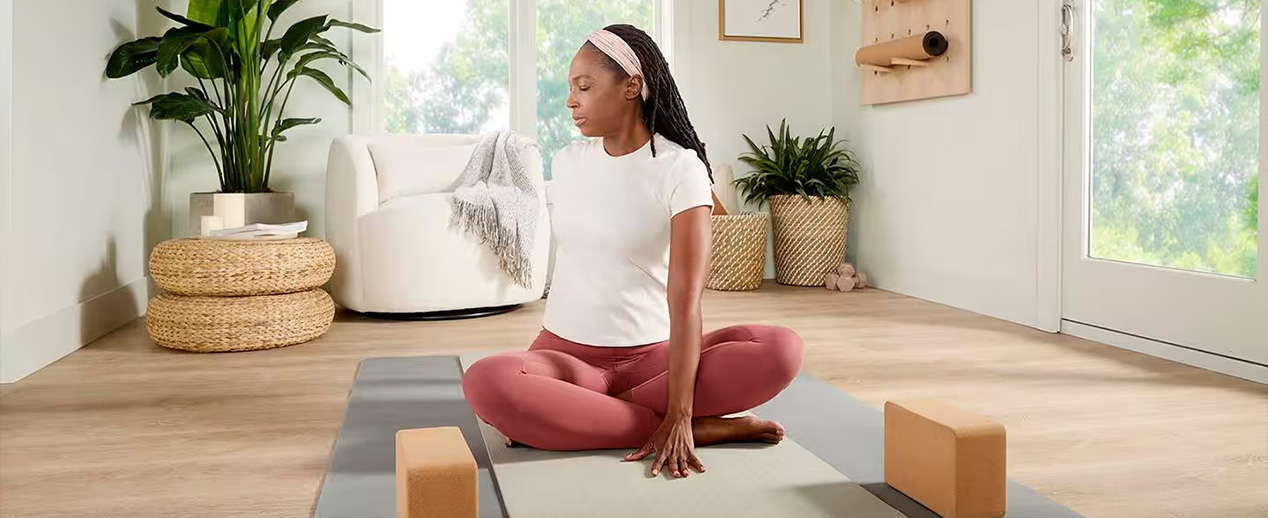
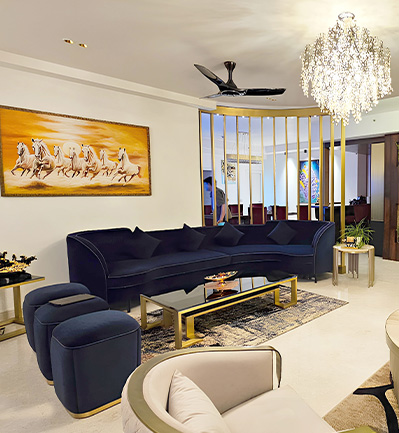
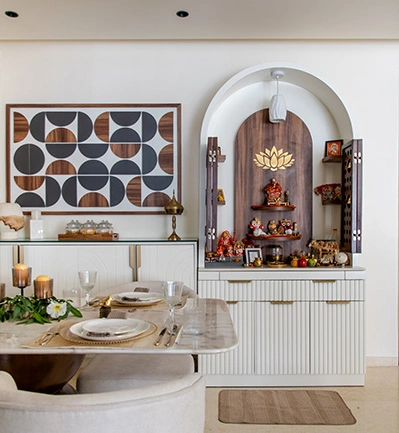
Why the Wellness Room Trend Is Growing So Fast in Delhi NCR
What is pushing so many homeowners to rethink a spare bedroom? Several forces are working together.
Delhi NCR has some of the highest stress levels among Indian cities. Air pollution, long commutes, work pressure, and urban noise create a daily assault on mental well-being. At the same time, the city is home to a large population of health-conscious professionals who can invest in lifestyle upgrades.
Real estate data backs this up. Delhi NCR saw a 209% year-on-year jump in luxury home sales in H1 2025 for properties priced above ₹6 crore. Buyers are no longer just asking for larger kitchens or better views. Wellness-centric living is now a top demand. Developers in the region are responding with yoga decks, meditation zones, and spa facilities as standard features in premium projects.
But not everyone is waiting for developers. Homeowners are creating their own.
The Numbers Behind the Wellness Economy
This movement is not happening in a vacuum. The global wellness economy reached a new peak of $6.8 trillion in 2024, according to the Global Wellness Institute. It has doubled in size since 2013 and is growing nearly twice as fast as global GDP.
The wellness real estate segment specifically reached $584 billion in 2024 and is forecast to double to $1.1 trillion by 2029. This is the context in which Delhi NCR homeowners are making their design decisions.
In India, yoga and meditation retreats hold the largest share of the wellness tourism market at 41.24% in 2025. This deep cultural connection to these practices makes the home wellness room an especially natural fit for Indian households.
So What Exactly Goes Into a Wellness Room?
This is where design decisions become critical. A wellness room is not just an empty room with a yoga mat. Every element plays a role. Here is what the best interior designers in Gurgaon consistently recommend for a well-built wellness space:
Flooring
- Cork or bamboo flooring is ideal. It is soft underfoot, sustainable, naturally sound-absorbing, and warm. It supports yoga postures better than hard tiles.
- If the budget is limited, thick interlocking rubber mats over existing flooring work well. They provide grip, cushioning, and are easy to clean after a sweaty session.
Soundproofing and Acoustics
- This is the most overlooked element. The WELL Building Standard recommends maintaining ambient noise levels around 35-40 dBA in spaces meant for focus and meditation.
- Acoustic foam panels on walls absorb interior echo. Dense acoustic panels also reduce noise coming in from other rooms or the street.
- Thick curtains, layered rugs, and fabric wall hangings all add to sound softness. The goal is not total silence but stable, gentle acoustics where small sounds do not become distracting.
Lighting
- Ambient lighting of 100-200 lux is recommended for contemplative activities. Glare control is critical for visual comfort during meditation.
- Install dimmers and diffuse light sources. Warm tones of 2700-3000K support melatonin production and help wind down the nervous system.
- Natural light is grounding. Frosted glass on windows allows daylight in while maintaining privacy and avoiding harsh direct glare.
Ventilation and Air Quality
- A wellness room in Delhi NCR must address air quality. HEPA air purifiers combined with indoor plants like peace lilies and snake plants improve air quality while adding a calming green presence.
- Cross-ventilation and operable windows keep the space from feeling stuffy during longer breathwork sessions. Oxygen levels matter for pranayama practice.
Colour and Material Palette
- Neutral tones like warm beige, soft sage, earthy terracotta, and muted whites work best. These colours lower visual stimulation without making the room feel cold or clinical.
- Natural materials like reclaimed wood, stone, and jute connect the senses to nature. Biophilic design elements consistently improve mental well-being, according to wellness architecture research.
Storage and Clutter Control
- Built-in storage is essential. Props, bolsters, straps, and blocks need a home when not in use. A clutter-free room is not just aesthetic; it is functionally calming.
- A small wall niche or shelf for a candle, incense holder, or a single meaningful object adds an anchor to the space without crowding it.
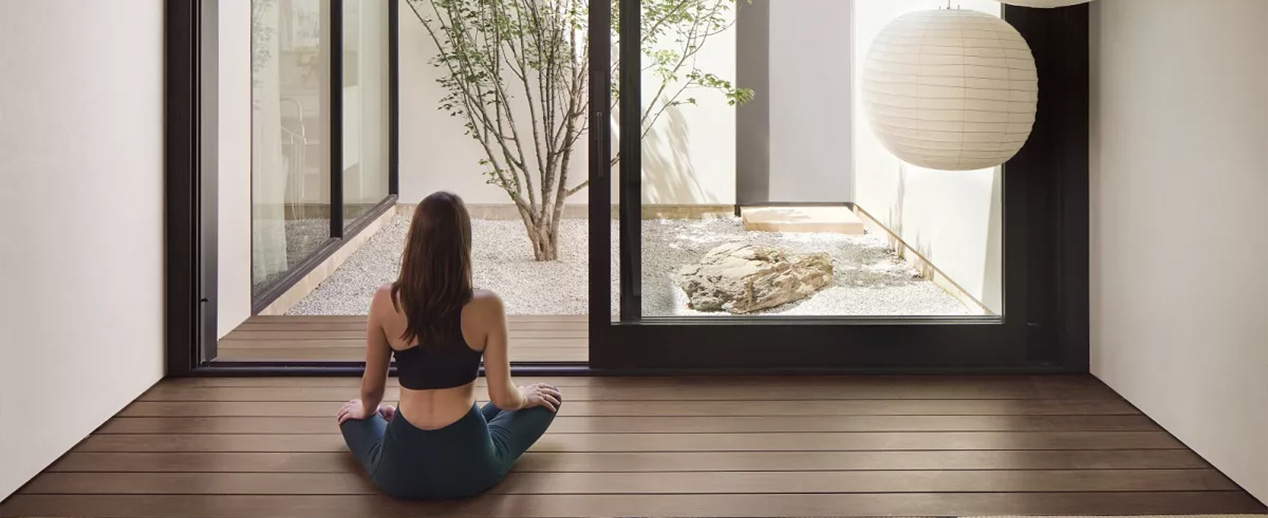
A Note on Vastu for Wellness Rooms
Many Delhi NCR homeowners ask about Vastu compliance when designing wellness spaces. This is a less-discussed but important angle. The northeast corner of a home is traditionally considered ideal for meditation rooms in Vastu Shastra. This direction is associated with clarity of mind and spiritual energy. The north and east walls are preferred for placing the meditation cushion or yoga mat, so the practitioner faces east or north while sitting.
A skilled interior design company in Gurgaon, familiar with both Vastu principles and modern design, can integrate these guidelines without making the room feel traditionally constrained.
The Breathwork Angle: A Unique Design Need
Breathwork is rapidly growing in popularity, but it has specific spatial needs that differ from yoga and meditation. Have you considered that breathwork sessions can be quite physically intense? Practitioners often lie flat on their backs for 45-90 minutes. The floor experience becomes central.
- Floor padding beneath rugs adds significant comfort for supine breathwork. At least 6-8mm of underfloor cushioning is recommended for long sessions on hard floors.
- Temperature regulation matters more in breathwork than in standard yoga. Split air conditioning with precise control is preferable to ceiling fans, which create air movement that some practitioners find disruptive during deep breathing cycles.
- Blackout blinds or heavy drapes are useful for afternoon breathwork sessions. Darkness activates the parasympathetic nervous system more effectively and deepens the practice.
“The home is evolving into a high-tech health hub. New dynamic home environments offer intuitive, sensory-enhanced, personalized wellness support beyond cold plunges and yoga rooms.” — Olivia Houghton & Jessica Smith, 2024 Global Wellness Trends Report. This perspective captures exactly what Delhi NCR homeowners are beginning to build at home. The wellness room is just the beginning of a larger shift toward intentional, health-first home design.
How Much Space Do You Actually Need?
This is one of the most common questions designers hear. The honest answer is: not as much as you think.
- A 100-120 sq. ft. room comfortably fits a yoga mat with movement space around it. That is the minimum workable size for solo practice.
- 140-180 sq. ft. is the sweet spot. It allows for a meditation corner, a yoga zone, and some storage without the room feeling cramped.
- 200 sq. ft. and above opens up options for a couple’s practice space, a small wall mirror, and more elaborate storage systems.
A smaller room does not disqualify you. Top interior designers in Gurgaon regularly transform 90-100 sq. ft. spaces into highly functional wellness rooms through smart spatial planning, light-coloured finishes, and minimal furniture.
Colonelz and the Wellness Room Design Approach
With over 25 years of experience and 400,000+ sq. ft. delivered across Delhi NCR, Colonelz team understands the specific design needs of urban homeowners in this region. Wellness rooms require a particular kind of attention to detail. Every material choice, every light fitting, every centimetre of floor space affects whether the room actually gets used or quietly becomes a storage dump again. The best interior designers in Gurgaon treat wellness rooms as intentional sanctuaries, not afterthoughts.
The interior designers company in Gurgaon that works on your home should understand both the functional and emotional purpose of the space. Colonelz approaches each wellness room project by first understanding the client’s actual practice, their schedule, and how the space needs to transition between uses throughout the day.
Common Mistakes to Avoid
- Over-furnishing the space: Wellness rooms should feel open. Each additional piece of furniture reduces the available floor area and visual calm.
- Ignoring acoustics: A room next to the kitchen or a children’s bedroom needs serious acoustic treatment. Without it, the space is practically unusable during peak household hours.
- Choosing the wrong flooring: Glossy tiles look beautiful in a brochure, but are cold, slippery, and unforgiving during floor-based practices.
- Skipping proper ventilation: A room sealed for soundproofing can quickly become stuffy. Balanced mechanical ventilation resolves this without compromising acoustics.
- Using harsh overhead lighting: A single bright LED panel overhead is the fastest way to kill the atmosphere of a wellness room. Layer your lighting.
Is the Investment Worth It?
The global wellness real estate market is growing at 20% annually (Source: Global Wellness Institute, globalwellnessinstitute.org). Homes with dedicated wellness features command a premium in resale and rental markets. But the more immediate value is personal.
A well-designed wellness room reduces the friction between intention and practice. When the space is ready, when it feels good to enter, and when it is free of distractions, people actually use it. That consistency is where the real value lies, not in any single session but in the daily habit that the space supports.
The best interior designers in Gurgaon understand that wellness rooms are not luxury indulgences. They are a functional infrastructure for modern mental health maintenance. And as Delhi NCR homeowners continue to prioritise quality of life, the spare room is getting a very purposeful new job.
References
1. Grand View Research. Yoga Market Size, Share, And Trends. grandviewresearch.com
2. Global Wellness Institute. Statistics & Facts, 2025. globalwellnessinstitute.org
3. Global Wellness Institute. Build Well to Live Well: The Future, June 2025. globalwellnessinstitute.org
4. Mordor Intelligence. Wellness Tourism Market in India. mordorintelligence.com
5. CBRE-Assocham Report, cited in Realty First Mag, August 2025. realtyfirstmag.com
6. WELL Building Standard v2, Sound. Cited in coohom.com
7. Illuminating Engineering Society Recommended Practices. Cited in coohom.com
8. Global Wellness Summit. 2024 Global Wellness Trends Report. globalwellnesssummit.com
FAQs
1. How much does it cost to convert a spare room into a wellness room in Gurgaon?
The cost varies widely based on room size, material quality, and scope. A basic conversion covering flooring, lighting, and minimal acoustic treatment can range from ₹2-4 lakhs. A premium setup with custom-built-ins, full acoustic panels, HVAC, and quality finishes can go from ₹7-15 lakhs or more. Consulting the best interior designers in Gurgaon helps in planning the budget accurately from the start.
2. What is the ideal room size for a home yoga and meditation space?
The minimum workable size for a solo practice is around 100 sq. ft. The ideal size is 140-180 sq. ft., which allows comfortable movement, a meditation corner, and storage. If space is tight, a skilled interior design company in Gurgaon can maximise even a 90 sq. ft. room with smart planning.
3. Does a wellness room add to the resale value of a home in Delhi NCR?
Yes. Wellness features are increasingly valued by premium home buyers in Delhi NCR. The global wellness real estate market is growing at 20% annually (Source: Global Wellness Institute). Homes with dedicated wellness spaces, particularly in the upper-mid and luxury segments, attract stronger buyer interest and can support higher valuations.
4. Can a small room be soundproofed for meditation without a full renovation?
Absolutely. Non-invasive soundproofing options include acoustic foam panels on walls, thick rugs on the floor, heavy curtains over windows, draft stoppers under doors, and fabric wall hangings. These measures together can significantly reduce ambient noise without requiring structural changes. For deeper soundproofing, wall insulation can be added during a broader renovation.
5. Which direction should a meditation room face according to Vastu Shastra?
The northeast corner of the home is considered the most auspicious for a meditation or prayer room in Vastu Shastra. Practitioners ideally face east or north while meditating. While Vastu is one consideration, Colonelz integrates these guidelines as part of a holistic design approach, balancing traditional principles with practical spatial needs.
 Residential Turnkey
 Residential Design Consultation
 Residential Construction
 Commercial Turnkey
 Commercial Construction
 Workspaces & Offices
 Architectural Turnkey
 Architectural Consultation
 Retail & Hospitality