The Evolution of the "Experience Hub"
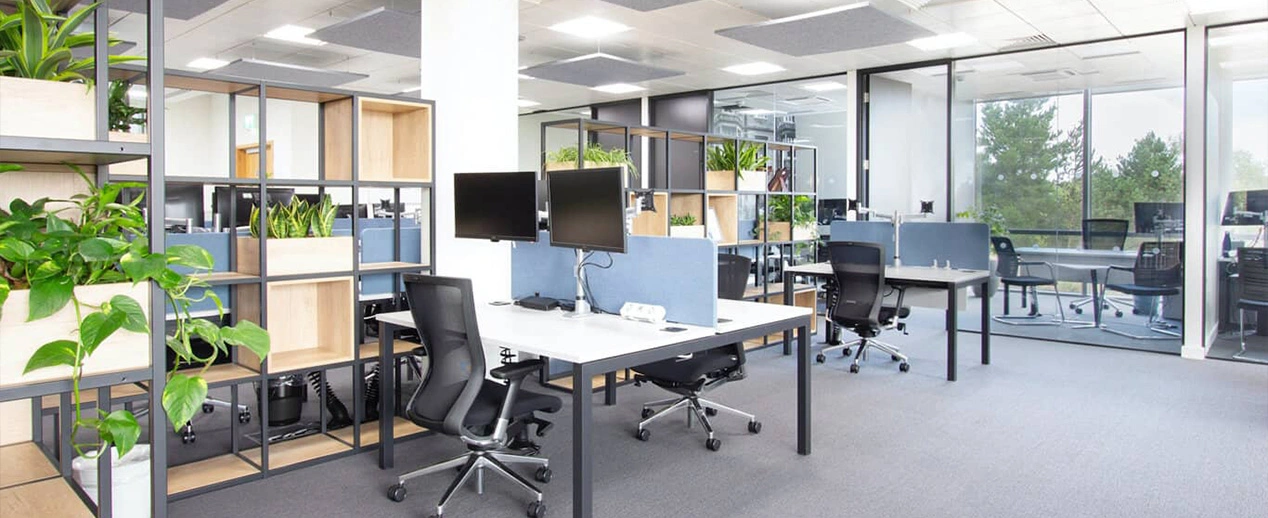
The biggest change coming in 2026 is the purpose of the office itself. Employees do not come in just to answer emails anymore. They come in to connect. The office is becoming an "Experience Hub." This means the design must prioritize social interaction and seamless teamwork over rows of lonely desks.
- Neighborhoods over Open Plans: The vast, noisy open-plan floor is being replaced by "activity neighborhoods." These are distinct zones designed for specific tasks. You might have a quiet library zone for deep focus and a buzz zone for brainstorming.
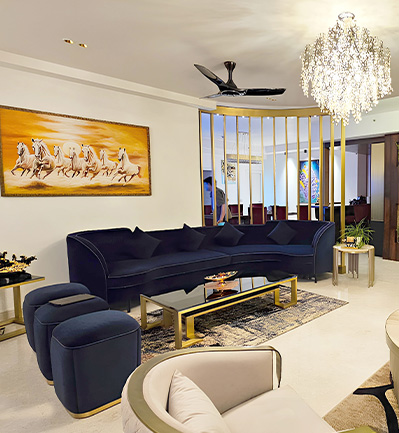
- The "Resimercial" Touch: This trend blends residential and commercial design. Think soft sofas, warm lighting, and curtains. It makes the office feel as comfortable as a living room.
- Data-Driven Layouts: Spaces are now designed based on how people actually move. Sensors track which rooms are used most, allowing companies to adjust layouts in real-time.
Many commercial interior designers in Delhi NCR are adopting these layouts to combat urban stress. They understand that a softer, more thoughtful environment directly boosts productivity.
Hybrid 2.0: Flexibility is King
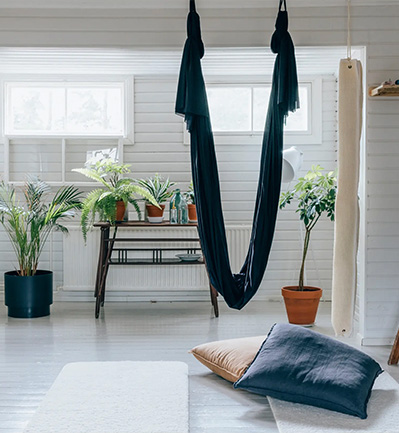
Hybrid work is here to stay, but the 2026 version is smarter. It is not just about hot-desking. It is about "hyper-flexibility." Furniture needs to be movable. Walls might be on wheels. A meeting room in the morning could become a yoga studio in the evening.
- Modular Furniture Systems: Desks and partitions that snap together or apart allow teams to resize their space daily.
- Tech-Enabled Pods: Soundproof pods are essential for Zoom calls in a busy office. They prevent the "fishbowl" effect, where everyone can hear your conversation.
- Zoom Rooms: Dedicated spaces with perfect lighting and acoustics ensure remote workers feel just as present as those in the room.
Top commercial interior design firms are now focusing on these adaptable solutions. They know that a rigid office is a fragile office. If your space cannot change with your team, it will become obsolete.
Nature as a Co-Worker: Biophilic Design
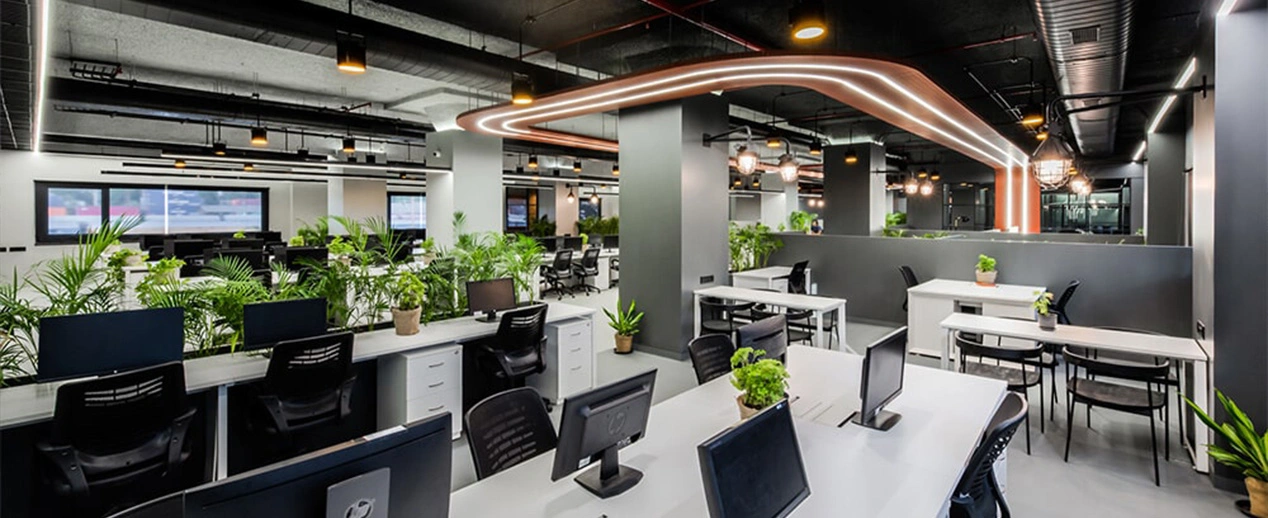
Why do we feel better after a walk in the park? It is because humans have an innate need to connect with nature. This concept, known as biophilia, is exploding in popularity. By 2026, it will go beyond just a few potted plants.
- Living Walls and Moss Panels: These features clean the air and reduce noise.
- Natural Materials: Expect to see more wood, stone, and bamboo instead of plastic and laminate.
- Circadian Lighting: Smart lights that change color temperature throughout the day to match the sun. This helps maintain natural sleep-wake cycles for employees.
According to a study by Cornell University, employees in offices with natural light reported an 84% drop in eyestrain and headaches. Skilled commercial office interior designers use these findings to build healthier workspaces. They know that good light is just as important as a good chair.
The Smart Office Revolution
Technology in 2026 will be invisible but powerful. It is not about having gadgets everywhere. It is about the building helping you work better. This is the core of smart design commercial interiors.
- Touchless Technology: Voice-activated elevators and app-based door locks reduce germ spread.
- Air Quality Sensors: These systems monitor CO2 levels. If the air gets stale, the ventilation automatically kicks in to keep everyone alert.
- Occupancy Management: Apps that help you find a free desk or meeting room instantly, saving wasted time walking around.
"The workplace of the future is an ecosystem. It is not just walls and desks; it is a living, breathing entity that adapts to the people inside it." — Gensler Design Forecast
Designing for Inclusivity and Wellness
A major focus for 2026 is neurodiversity. Not everyone works the same way. Some people need silence, while others need background noise. Inclusive design ensures everyone has a place where they can thrive.
- Sensory Mapping: Creating zones with different light and sound levels.
- Restoration Spaces: Nap pods or meditation corners are becoming standard, not just perks for tech giants.
- Ergonomic Variety: Offering standing desks, balance ball chairs, and lounge seating options.
Firms like Colonelz understand that a one-size-fits-all approach fails. They champion designs that respect individual differences. This is why they are often cited among the most forward-thinking commercial interior designers in Delhi NCR.
Sustainability and the Circular Economy
Sustainability is no longer optional. It is a requirement. The trend for 2026 is the "Circular Economy." This means designing out waste.
- Upcycled Furniture: Giving old furniture a new life instead of buying new.
- Local Sourcing: Using materials made nearby to reduce shipping pollution.
- Low-Carbon Materials: Choosing carpets and paints that have a minimal environmental footprint.
Experienced commercial interior designers in Delhi NCR are leading this charge. They help clients choose materials that look good and do good. This approach saves money in the long run and attracts eco-conscious employees.
Building a Future-Ready Workplace
The office of 2026 is a destination, not an obligation. It is a place that fosters connection, health, and flexibility. From biophilic elements that breathe life into the room to smart tech that anticipates your needs, the future workspace is exciting.
Whether you are upgrading an existing space or building from scratch, these trends are your roadmap. Trusting experienced partners like Colonelz ensures your office is ready for the future. As leading experts, they bring these global concepts to life locally.
References
- Cornell University. (n.d.). Study on Natural Light and Employee Health. Department of Design and Environmental Analysis. Retrieved from http://ergo.human.cornell.edu
- Gensler. (2024). Gensler Design Forecast 2024. Retrieved from https://www.gensler.com/research-insight/blog/design-forecast-2024
- World Green Building Council. (2023). Health, Wellbeing and Productivity in Offices. Retrieved from https://worldgbc.org
FAQs
1. How can small offices implement smart design commercial interiors on a budget?
You do not need a massive budget to make an office "smart." Small businesses can start with modular furniture and smart lighting systems that adjust based on occupancy. Adding air quality sensors or basic touchless door systems is also a cost-effective way to modernize. Focusing on "high-impact" areas like meeting rooms or the main entrance can provide a futuristic feel without a full renovation.
2. Why are companies hiring commercial interior designers in Delhi NCR for wellness-focused offices?
In high-density urban areas like Delhi NCR, employees often face pollution and long commutes. Local designers understand these specific challenges. They specialize in integrating advanced air filtration, soundproofing, and biophilic elements to create a "sanctuary" environment. This focus on wellness helps reduce employee burnout and improves overall retention rates in a competitive market.
3. Can biophilic design really improve productivity?
Yes. Research suggests that integrating nature into the workplace reduces cortisol levels, which is the hormone responsible for stress. When employees are less stressed, their cognitive function and creativity increase. Elements like natural sunlight, indoor plants, and natural textures help workers stay focused and energized throughout the day.
4. What is the difference between hot-desking and the "Experience Hub" model?
Hot-desking is simply about sharing desks to save space. The "Experience Hub" model focuses on the quality of the interaction. While it may include shared desks, it prioritizes diverse zones like "quiet libraries" for focus or "social lounges" for team building. The goal is to make the office a place where employees choose to go for specific experiences they cannot get at home.
5. How does Colonelz help businesses transition to a hybrid-ready office?
Colonelz specializes in creating layouts that balance physical presence with digital connectivity. They analyze how your specific team uses space to design "Zoom Rooms" and modular workstations. By using data-driven layouts, they ensure that your office remains efficient whether it is at 20% or 100% capacity on any given day.
 Residential Turnkey
 Residential Design Consultation
 Residential Construction
 Commercial Turnkey
 Commercial Construction
 Workspaces & Offices
 Architectural Turnkey
 Architectural Consultation
 Retail & Hospitality