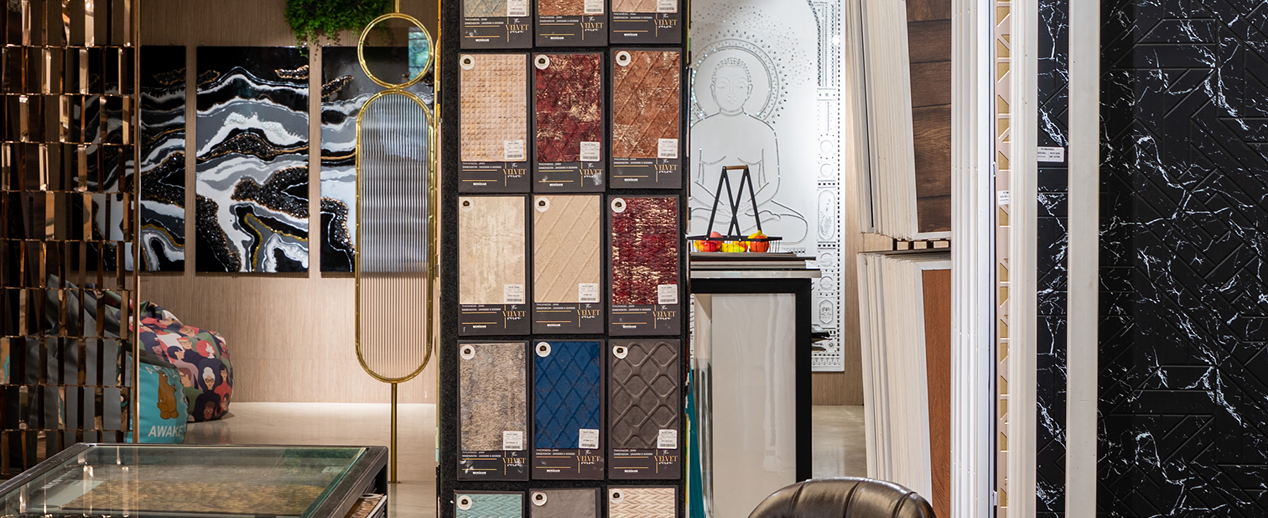
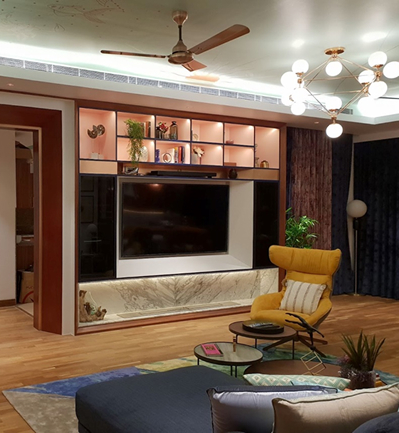
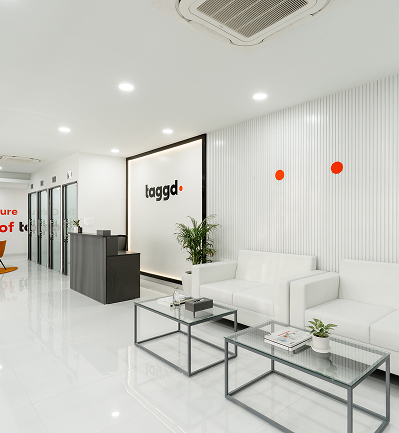
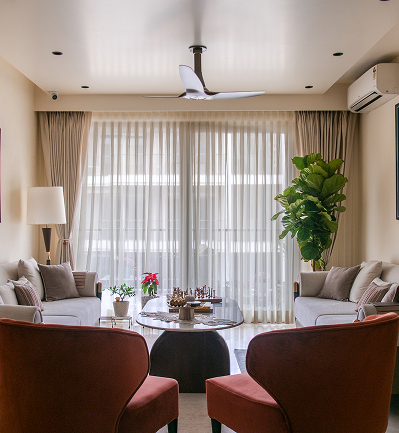
Walk into a store that just works, and you feel it before you know why. The lighting pulls you in. Your eyes land on the right shelf at the right height. You linger a little longer than you meant to. This is not luck. It is the quiet science that sits behind every retail space that sells. Get it right, and browsers become buyers. Get it wrong, and even good products sit untouched on the shelf.
Visual Merchandising Is Not Decoration, It Is Strategy
Many store owners think visual merchandising just means a pretty window display. That is only a small part of the story. Real visual merchandising is the deliberate use of lighting, colour, layout, and product placement to guide a shopper's behaviour from the entrance to the checkout counter. It works on the eye and the emotion of the buyer, often before they even realise they are being guided. This is where good commercial interior design earns its keep, turning a plain shop into a space that sells on its own, day after day.
The Science Behind What Makes Shoppers Stop
Light Shapes the First Impression
- A widely cited daylighting study, first done by the Heschong Mahone Group and later reviewed for the California Energy Commission, found retail spaces lit by skylights recorded sales gains of up to 40% over similar stores without natural light.
- Warm, layered lighting draws shoppers toward focal displays, while flat, uniform lighting makes even premium products look ordinary and easy to walk past.
- Poor lighting is one of the most overlooked reasons a well-stocked store still struggles to turn footfall into actual sales at the counter.
Colour Talks Before Words Do
- A retail eye-tracking study published in Frontiers in Psychology found that darker, saturated tones are perceived as more luxurious, and balanced colour contrast increases a shopper's preference to stay longer.
- Cool tones like blue and soft green signal trust and calm, which is why they dominate wellness stores and grocery formats.
- Warm tones like red and orange create urgency, which is why they show up so often in clearance corners and quick service counters.
Is colour really that powerful in a store? The research says yes. A shopper's decision to browse, linger, or leave often happens within seconds, long before they read a single price tag.
India's Retail Boom Makes Design Non-Negotiable
India's retail real estate is having a moment. According to IBEF, retail leasing across India's top cities touched a record of nearly 8.9 million square feet in 2025, with Delhi NCR leading the pack on the back of new mall construction. More stores are opening, and competition for footfall is only getting tighter. Brands cannot rely on product alone anymore. This is exactly the environment where experienced commercial interior design firms matter, since they know how to turn a brand's identity into a space that actually performs on the shop floor.
What Makes a Retail Space Actually Convert
- The entry zone has about five seconds to tell a shopper what the brand stands for before they decide whether to explore further or walk on.
- Sightlines should lead the eye toward one clear focal point across the store, instead of letting attention scatter in every direction at once.
- Zoning by story, not just by category, nudges shoppers to pick up more than one item and build a bigger basket.
- Sensory triggers like scent, texture, and sound work quietly in the background, shaping mood before a shopper even notices a product.
- Circulation design matters too. Most shoppers turn right on entry, so that space deserves your strongest merchandise, not your storage boxes.
The Silent Salesman Theory
Paco Underhill, the retail researcher behind the book "Why We Buy" and founder of the consumer research firm Envirosell, spent decades studying how shoppers actually move through stores. His research consistently found that shoppers who stay longer end up buying more, and that comfort in the experience is what stretches that time. This single insight sits at the core of most smart commercial interior design decisions made for retail spaces today, from mall kiosks to flagship stores.
How Colonelz Builds Retail Spaces That Work Harder
Colonelz approaches retail projects the way it approaches every project, starting with how a space should feel and function, not just how it should look. The Panda 18 project at Ardee Mall, Gurugram, is a good example of these principles applied on the ground, where product zoning and sightlines were shaped to increase browsing time and repeat visits.
Working with experienced commercial interior designers in Delhi NCR matters here because local footfall patterns, mall dynamics, and shopper habits differ from city to city. This is what smart design commercial interiors thinking looks like in practice. Every fixture, light, and turn in the layout earns its place by supporting a sale, not just filling space for the sake of it.
Should You Redesign Before You Rebrand?
Many retailers assume a new logo or campaign will fix falling footfall. Often, the real problem is sitting inside the store itself. If your space is not guiding shoppers, holding their attention, or making them want to stay, no amount of marketing spend outside the door will fix that. Good commercial interior design turns foot traffic into revenue, quietly, every single day, without asking the customer to work for it.
Ready to see what a retail space built around real shopper behaviour could do for your numbers? Colonelz combines design sensibility with construction precision to build stores that convert, not just stores that photograph well.
References
- Heschong Mahone Group / California Energy Commission — Daylighting and Productivity in the Retail Sector, ACEEE Summer Study Proceedings, 2004. https://www.aceee.org/files/proceedings/2004/data/papers/SS04_Panel7_Paper24.pdf
- Park, N. K., et al. — Spatial Color Efficacy in Perceived Luxury and Preference to Stay: An Eye-Tracking Study of Retail Interior Environment, Frontiers in Psychology, PMC. https://pmc.ncbi.nlm.nih.gov/articles/PMC7136482/
- IBEF — Retail Industry in India, 2025-26 update. https://www.ibef.org/industry/retail-india
- Underhill, Paco — Why We Buy: The Science of Shopping. Research summarised via Envirosell's published body of work on in-store shopper behaviour.
 Residential Turnkey
 Residential Design Consultation
 Residential Construction
 Commercial Turnkey
 Commercial Construction
 Workspaces & Offices
 Architectural Turnkey
 Architectural Consultation
 Retail & Hospitality