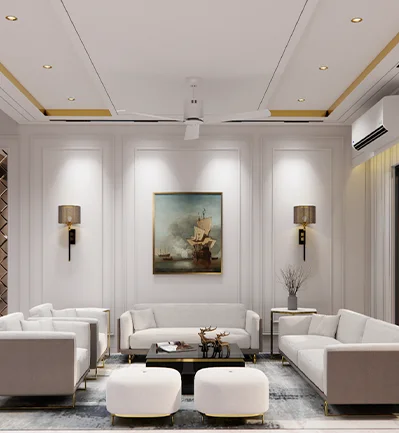
Quiet luxury is about how a home works every day, not how it photographs. The best luxury interior design services start from this idea. This guide covers the materials, finishes, and planning choices that keep a space feeling premium for years.
What Does Quiet Luxury Really Mean at Home?
Quiet luxury lets quality speak softly. When you plan luxury interior design services around it, the focus moves from display to daily comfort. Here is what sets it apart.
- Daily use over display: A quiet luxury home is judged on an ordinary Monday morning. Doors, drawers, lights and floors either work smoothly or quietly let you down.
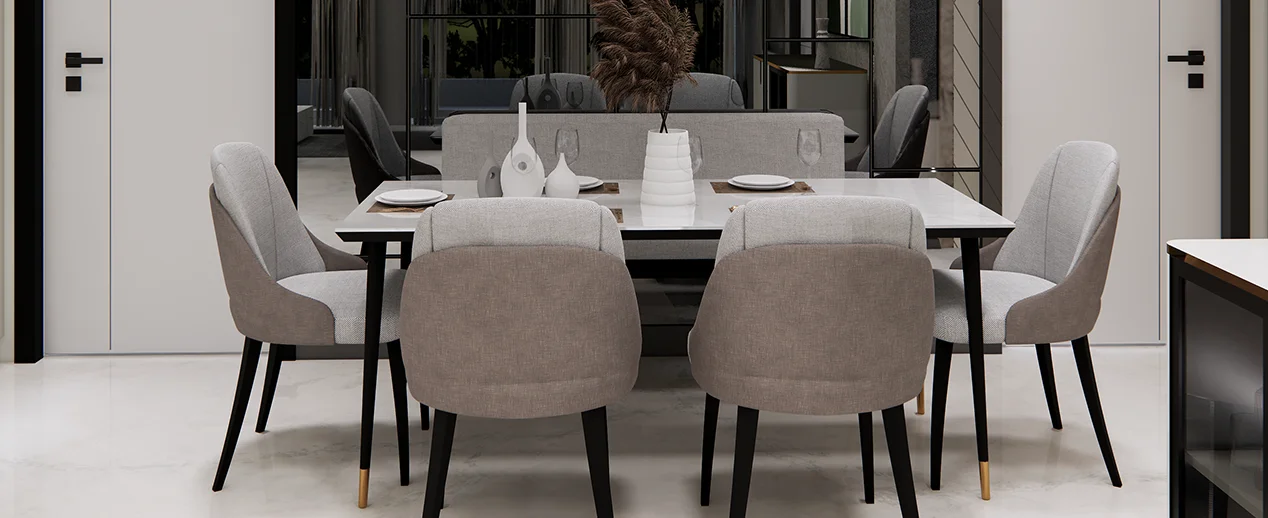
- Fewer, better pieces: One solid wood dining table can outlive three trendy ones. It also ages with character instead of looking dated after just two years.
- No logos or loud trends: Premium homes skip branded patterns and short-lived fads. They rely on proportion, texture and craftsmanship, which stay relevant long after trends fade away.
- Health is part of luxury: US EPA data shows Americans spend about 90% of their time indoors. Wherever you live, a home where you spend most of your hours should support clean air and rest.
In short, quiet luxury is felt more than it is seen.
Which Materials Make a Home Feel Premium?
Materials do most of the quiet work, because your hands, feet and eyes meet them every single day.
Natural Materials, Chosen for Use
- Solid wood and good veneers: Real timber feels warm and sounds solid. For large panels, veneer on a stable core works well. Its stability still depends on the board, installation and room moisture.
- Honed natural stone: Honed stone looks soft and calm. On marble, it also hides etching from lemon or vinegar better than gloss. Sealing helps with stains but cannot stop etching.
- Fabrics that suit the room: Linen, cotton and wool blends feel natural and age well, but each behaves differently. Pick by use, sunlight exposure and how easily covers can be cleaned.
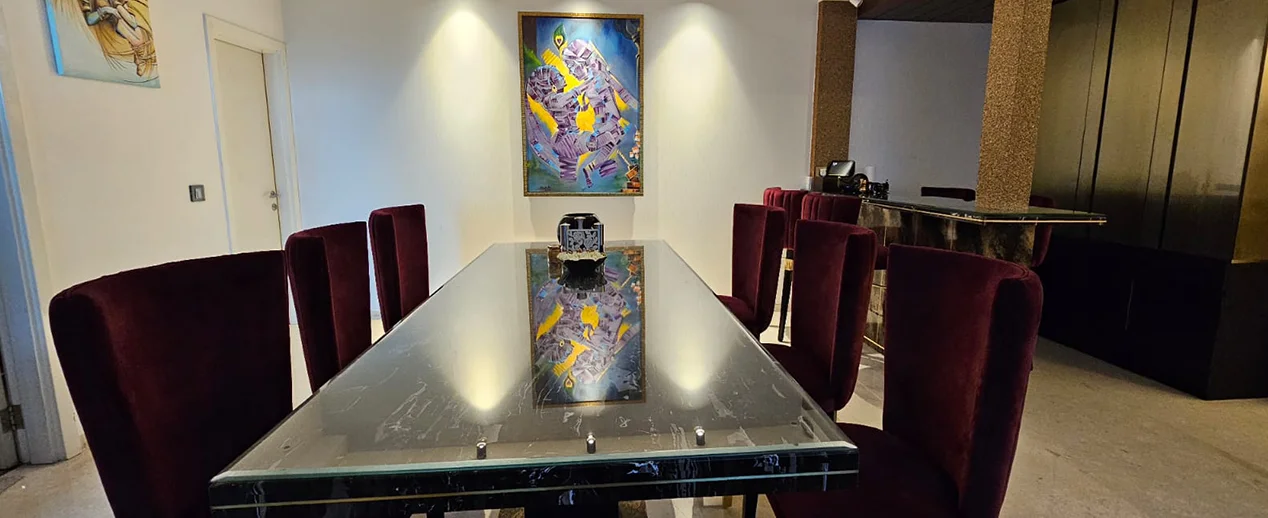
Finishes and Air You Cannot See
- Low-VOC paints and polishes: In US studies, EPA found about a dozen common organic pollutants 2 to 5 times higher inside homes than outside. Low-VOC finishes cut one source.
- Better boards and adhesives: Pressed wood products can release formaldehyde into indoor air. Ask for low-emission board grades and let new furniture air out before you move in.
- Ventilation still matters: Low-emission products do not guarantee clean air on their own. Plan cross-ventilation, kitchen and bath exhaust, and filtration where outdoor air is poor.
- Quality hardware: Soft-close hinges, heavy handles, and smooth drawer runners seem like small details. Yet you touch them dozens of times daily, so they shape how premium everything feels.
Choose materials for how they will age and how much care your household can give them.
Design Decisions That Matter More Than Budget
Even the finest materials fall flat in a poorly planned room, so these decisions deserve early attention.
Light That Feels Calm
- Warm light for living areas: The US Department of Energy classifies 2700 to 3000 K as warm light. It notes warm light is preferred in living spaces because it flatters skin and clothing.
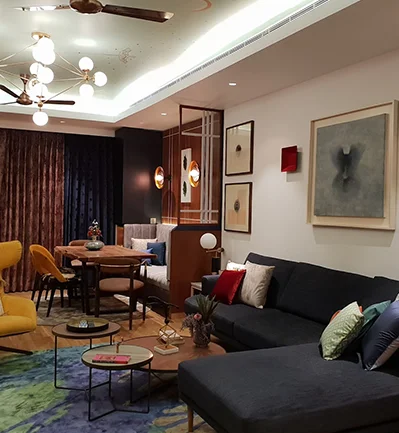
- Layered lighting: Mix ambient, task, and accent lights on separate circuits. One room can then shift from bright and practical to soft and relaxed with a single switch.
Silence as a Luxury
- Know the target: WHO's 2009 night guidelines set 40 dB as a yearly average for noise outside homes, close to a quiet residential street. It is a health target, not a glazing specification.
- Match the fix to the noise: Acoustic glazing helps most with outdoor traffic noise, but only with good frames and seals. Solid-core doors suit noise between rooms, especially bedrooms and studies.
- Soft surfaces absorb echo: Rugs, upholstered panels and heavy curtains cut echo in rooms with stone floors and high ceilings. These features are common in luxury residential interiors today.
Storage and Restraint
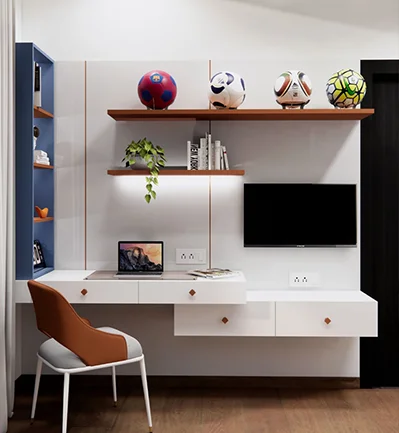
- Hidden storage keeps surfaces clear: Clutter is the fastest way to make an expensive room look cheap. Full-height, handle-less storage keeps everyday items neatly out of sight.
- A rule worth following: William Morris gave a simple rule in his 1880 lecture "The Beauty of Life": "Have nothing in your houses that you do not know to be useful, or believe to be beautiful."
Good planning lets every material show its best side.
Getting Quiet Luxury Right in Gurgaon Homes
NCR climate and lifestyle bring their own challenges, and designs that ignore them lose their charm quickly.
- Heat and dust: Long summers bring heat and fine dust. Honed stone, matte finishes, and sealed joinery stay looking clean far longer than glossy, high-maintenance surfaces.
- Monsoon humidity: Damp months can swell poorly sealed wood. Moisture-resistant cores and proper edge banding protect cabinets, especially in kitchens, utility areas and bathrooms across the home.
- Execution decides the finish: In luxury residential interiors in Gurgaon, a perfect drawing means little if joints, levels and alignments slip on site. Supervision matters as much as design.
- Design and build together: Colonelz works as a design-build firm. One team handles briefing, design, costing and site execution, so the quiet details survive from drawing to handover.
Local know-how is what keeps a premium home looking premium.
How Should You Start Planning?
Before you pick a single sample, decide what matters most in your daily routine.
- Write a clear brief: List how you actually live, not what you saw online. Note who works from home, who cooks often, and which rooms need silence.
- Spend on touch points first: Put budget into floors, doors, hardware and lighting. Decor is easy to upgrade later, but these basics are costly to change afterwards.
- Get expert input early: A good interior design consultancy helps you test materials, lighting and costs before work starts. This prevents expensive changes once the site is already active.
- Ask about the process: At Colonelz, projects move from briefing to design and costing, then signing, site mobilisation, and agreed timelines. You always know what happens next.
Quiet luxury is not about spending more. It is about choosing well and building it right. If you want luxury interior design services that put comfort, health and craftsmanship first, book a consultation with Colonelz and start with a brief built around how you live.
References
- US Environmental Protection Agency, Indoor Air Quality (Report on the Environment): https://www.epa.gov/report-environment/indoor-air-quality
- US Environmental Protection Agency, Volatile Organic Compounds' Impact on Indoor Air Quality: https://www.epa.gov/indoor-air-quality-iaq/volatile-organic-compounds-impact-indoor-air-quality
- US Environmental Protection Agency, Facts About Formaldehyde: https://www.epa.gov/formaldehyde/facts-about-formaldehyde
- US Department of Energy, Lighting Principles and Terms: https://www.energy.gov/energysaver/lighting-principles-and-terms
- World Health Organization Regional Office for Europe, Night Noise Guidelines for Europe (2009): https://www.who.int/europe/publications/i/item/9789289041737
- University of Maryland Libraries, Morris & Co.: Morris as Decorator (quoting William Morris, "The Beauty of Life," lecture to the Birmingham Society of Arts and School of Design, 19 February 1880): https://exhibitions.lib.umd.edu/williammorris/morris-as-decorator
 Residential Turnkey
 Residential Design Consultation
 Residential Construction
 Commercial Turnkey
 Commercial Construction
 Workspaces & Offices
 Architectural Turnkey
 Architectural Consultation
 Retail & Hospitality